




The award season last year leading up to the 97th Academy Awards was marked with some surprises, particularly in the category of Best International Feature. We saw the power of Brazilian cinema, as well as the power of online, Brazilian film fans. After the campaign for Emilia Pérez (2024) from France fell apart, the campaign for Walter Salles' I'm Still Here (2024) from Brazil took off, resulting in Brazil winning the Oscar in that category and even being nominated for Best Picture. The award season this year leading up to the 98th Academy Awards feels like history repeating itself. This film won at the Golden Globes just like I'm Still Here, which put this film at the front of the pack. Just like I'm Still Here, this film, written and directed by Kleber Mendonça Filho, is also set in the same time period, that of the 1970's. Both films are also about the military dictatorship in Brazil during that decade and how people struggled to fight back.
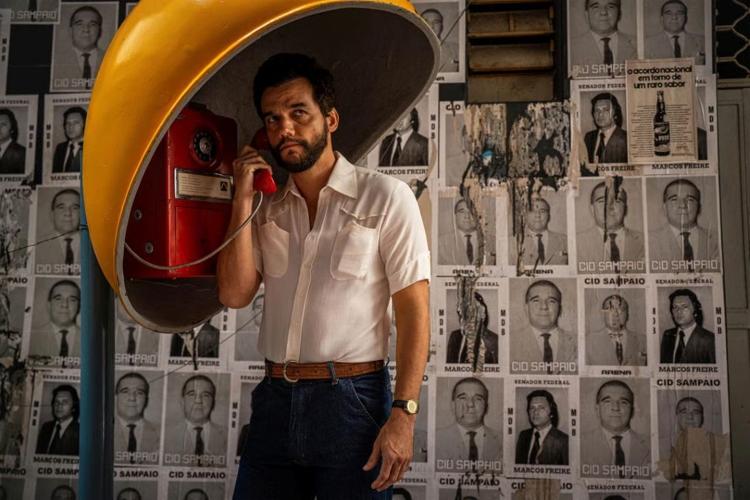
Wagner Moura (Narcos and Elite Squad) stars as Armando Solimões, a scientist or an engineer who works at a university who is developing patents for new technology. When we meet him, he goes by the name of Marcelo Alves and he's working in an office that issues ID cards in the city of Recife. It's not clear why he has a false identity, but he takes shelter in an apartment building that's run by a 77-year-old woman who seems a part of or highly sympathetic to the political dissidents who are against the military dictatorship. It's assumed that Armando might be a political dissident too, but he's not. If he is, then it's not really expressed in this film. His troubles stem from a corrupt businessman who wants Armando killed. The politics of the time is just a backdrop.

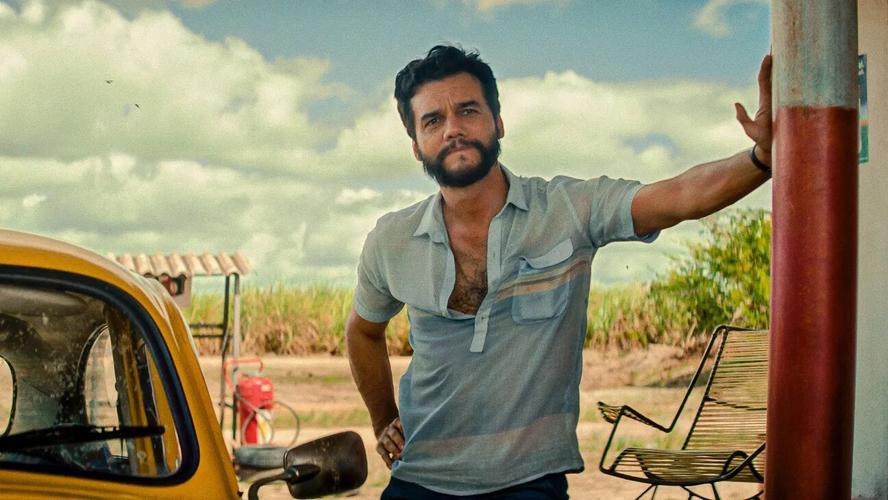
Given the success of I'm Still Here and how that film put the politics in the forefront, it's probably a good instinct for Filho to put the politics in the backdrop. Filho appears to be going for something else other than examining how people and families are affected by what the Brazilian government was doing at the time. He's going for particular vibes. The look and feel are definitely that of 70's celluloid. The film in total is very tactile. The aesthetic Filho creates nails that decade completely. He sets the film during the time of Carnival and Brazil's hot season, and Filho is effective in making us feel the heat and sweat.
That aesthetic and those vibes from Filho make for some strange moments that are tense, adding to potential thriller aspects. Those strange moments are also weirdly comedic. Because of the insanity of the time, we see newspapers reporting on all of it. Fake news stories might have been rampant and Filho tries to capture that kind of sensationalism. From dead bodies laying out in the open, to severed limbs in sharks, to a gay cruising spot being attacked, this film is simply trying to capture those strange vibes. Filho is trying to convey a feeling that might have been sensational or even fantastical.

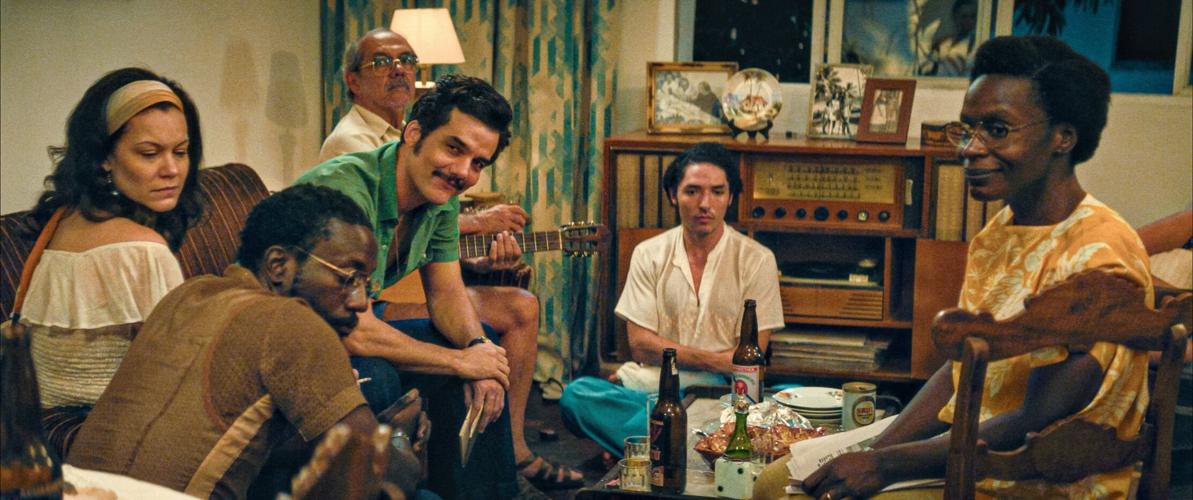
Yet, the film is too bloated. The film introduces a bunch of characters who end up not mattering at all to the plot or even to Armando in the grand scheme. The film introduces a lover for Armando who only gets one scene before she's never seen again. The film introduces us to the mother of Armando's child, but she only gets one scene to establish her before she's never seen again. These women should matter, but the film doesn't delve into them as well as they should be delved. There are other characters who are introduced who seem interesting and I wish the film had delved into them more, but making this film longer probably wouldn't have really helped because it wouldn't have contributed to those strange vibes that Filho is trying to effort.
Rated R for strong bloody violence, sexual content, language and some full nudity.
Running Time: 2 hrs. and 41 mins.
Running Time: 2 hrs. and 41 mins.
Available on Hulu.