

CHESAPEAKE BAY – The Atlantic States Marine Fisheries Commission is scheduled to consider new restrictions on menhaden fishing in the Chesapeake Bay and along the Atlantic Coast during its annual meeting this week in Newport, Rhode Island.
The commission, which represents 15 Atlantic states, is expected to take final action Nov. 10-11 on proposed changes to the Chesapeake Bay's industrial menhaden fishing cap. It will also set coastwide catch limits for 2027 through 2029.
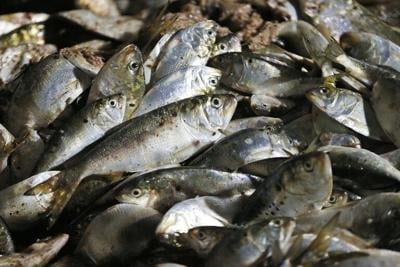
Menhaden are an important food source for striped bass, ospreys and other wildlife. The fish also are used as bait by commercial watermen, while the industrial fishing operation processes them into products such as fish meal and fish oil.
One proposal under consideration, known as Draft Addendum II, would cut the Chesapeake Bay's industrial fishing cap by as much as 50%. Other options would tie the Bay's cap to the coastwide catch limit and divide the harvest into three seasonal periods.
The proposed seasonal limits are intended to spread fishing pressure throughout the year and leave more menhaden in the Bay during important feeding periods for predators.
Public comments released by the commission show widespread support for stronger protections. More than 48,000 comments were submitted on Draft Addendum II during a public comment period that ran from Aug. 27 through Oct. 9. More than 42,000 supported options that would significantly reduce the harvest and establish new seasonal limits.
The Chesapeake Bay Foundation supports the most restrictive options under consideration.
The commission also will consider coastwide catch limits for the next three fishing years. Updated scientific projections indicate a 39% reduction in the coastwide catch would give managers a 50% chance of meeting the commission's ecosystem target for maintaining enough menhaden to support other species.
An updated assessment released in 2025 found the amount of menhaden in the water was 37% lower than previously estimated. Based on that assessment, scientists initially recommended a 54% reduction in the coastwide catch. The commission approved a 20% reduction for the 2026 fishing season.
Concerns about menhaden availability in the Chesapeake Bay include reports from watermen of historically low catches, making the fish harder and more expensive to obtain for crab bait. Researchers also reported that 2026 was the worst year on record for osprey breeding success in the Bay.
However, scientists say more research is needed to determine menhaden abundance and survival specifically within the Chesapeake Bay.
The commission's menhaden management decisions could affect commercial fishing, recreational fisheries and wildlife throughout the region.
The Atlantic Menhaden Management Board is scheduled to meet Nov. 10 from 2:45 to 5:30 p.m. The agenda includes final action on coastwide fishing specifications and proposed Chesapeake Bay restrictions. The board is also scheduled to reconvene Nov. 11.
The meeting can be watched through a webinar on the commission's website: ASMFC 2026 Annual Meeting.