


DELMARVA - President Donald Trump recently signed a new executive order aimed at expanding support for regenerative agriculture, directing several federal agencies to increase research, funding, and innovation for farming practices designed to improve soil health and strengthen long-term farm resilience.
The order, titled "Advancing Regenerative Agriculture and Strengthening American Farm Resilience," was signed June 25 and published in the Federal Register earlier this week. It establishes regenerative agriculture as a federal policy priority while directing the U.S. Department of Agriculture, Environmental Protection Agency, and Department of Health and Human Services to work together on several new initiatives.
The president signed the order during a meeting with several farmers in the Oval Office last week.
“We wanted the president to hear directly from farmers who successfully transition from conventional agriculture to regenerative practices that are demonstrating how they can transition, how they can strengthen soil health, improve farm resilience, increase profitability, and support rural communities,” HHS Secretary Robert F. Kennedy Jr. said following the signing.
Regenerative agriculture is a broad term that includes farming practices intended to improve soil health while maintaining crop production. Common techniques include planting cover crops, reducing or eliminating tilling, rotating crops, and using rotational grazing for livestock. Regenerative farmers and supporters say these practices can reduce erosion, improve water retention, and lower some input costs over time.
Several farms on Delmarva already employ regenerative farming practices. WBOC spoke with Darlene Goehringer of Pops Old Place in Hurlock, Md. on Thursday to see what these regenerative farming techniques entail and how they benefit.
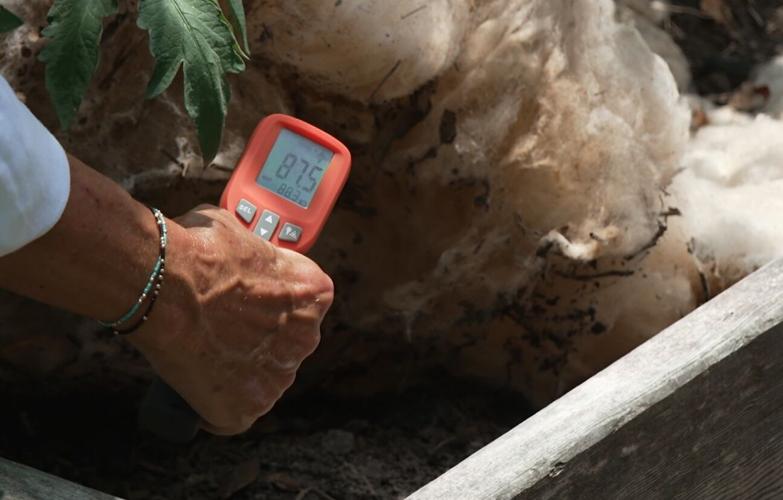
“You're farming in a way that you're leaving the soil in better condition than when you started,” Goehringer said. “It's a focus on controlling erosion, having living roots in the soil, managing the land in a way that you're increasing the organic matter and the beneficial bacteria and beneficial fungus, just so the soil is productive for generations to come instead of depleting it.”
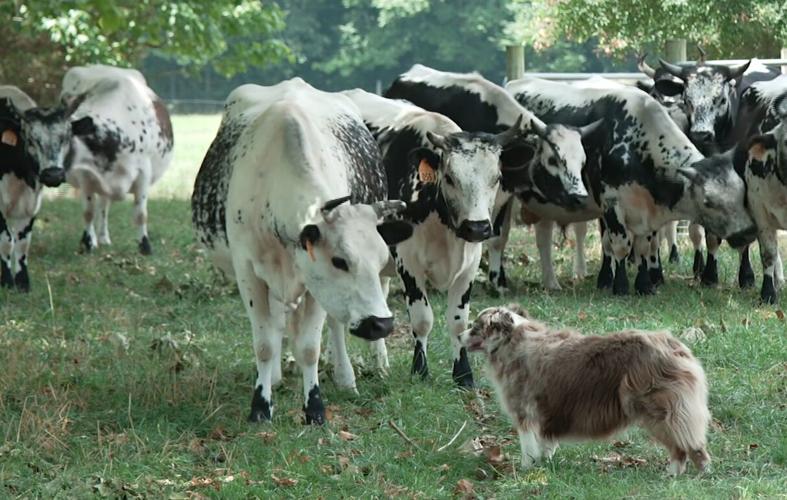
Pops Old Place raises beef, lamb, pork, laying hens, and honeybees. Goehringer says regenerative grazing strategies such as raising a diverse group of foraging species and rotating pastures help avoid overgrazing and leaving soil bare, which can lead to erosion and weed growth.
“The way I'm doing it is when we are grazing actively, I'm moving my cows every day in a small paddock and then giving long periods of rest in between so that the ground can recover and the plants can establish good roots,” Goehringer said.

Beef cows at Pops Old Place in Hurlock
Under the president’s new executive order, the USDA is directed to maximize funding for its existing Regenerative Pilot Program and explore ways to expand it through public-private partnerships. The administration also says it wants to increase investment in modern agriculture technology, research, and education while encouraging private-sector innovation.
The order also directs the EPA to prioritize reviews of newer agricultural products that could serve as alternatives to older crop protection products while continuing required human health and environmental safety reviews. In addition, USDA, HHS, and EPA are instructed to develop a framework for studying the cumulative effects of agricultural chemicals in the food supply using newer scientific research methods.
The White House says the initiative is intended to help farmers improve profitability, strengthen rural economies, and maintain an abundant and affordable food supply while advancing the administration's "Make America Healthy Again" agenda.
Goehringer tells WBOC she’s glad the administration is putting a spotlight on regenerative practices, saying that many farmers don’t know about them and so don’t implement them. Ultimately, however, Goehringer says the success of regenerative farming comes down to the consumer being aware of it.
“Hearing that President Trump is going to implement something on regenerative ag, I think that's great,” Goehringer said. “But in my opinion, in the end, it's all consumer driven. So the person who is purchasing the proteins or the grains or the vegetables, if they're willing to pay a little more to a farmer who implements these principles, they have more power over the way food is raised than the government or anybody else.”

Both Maryland and Delaware Departments of Agriculture tell WBOC their states' farmers have implemented various regenerative strategies for years. Crop rotation, for instance, is used almost universally in Delaware, the DDA says, while MDA says the Maryland Cover Crop program is seen as the most effective and widely implemented regenerative program in the state.
"We encourage all farmers to be working closely with their local Soil Conservation Districts to learn more about the agricultural best management practices that fit best into their unique farm operation, and to partner with their County UMD Extension agents for support," the Maryland Department of Agriculture said on Thursday.
A map of regenerative farms registered with the Organic Consumers Association on Delmarva and across the country can be found here.