
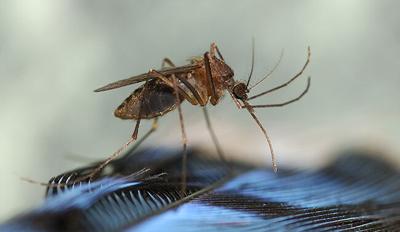

MARYLAND - The Maryland Department of Agriculture's Mosquito Control Program is urging residents to act now to reduce mosquito populations by reducing standing water on their properties.
Officials say mosquitoes can carry a number of diseases that are harmful to humans and animals, including West Nile Virus and Eastern Equine Encephalitis.
“Now is the time to be proactive about protecting yourself and your family from mosquito-borne diseases by eliminating places they may breed,” said Maryland Department of Agriculture Secretary Kevin Atticks. “After the recent heavy rains, containers that hold rainwater are prime locations for mosquitoes to lay their eggs. Taking five minutes a day to ensure water containers on your property are empty will greatly reduce the amount of mosquitos in your yard later this summer.”
According to the state agriculture department, it is important to start before mosquitoes become adults because some mosquitoes can live for several weeks—including Maryland’s biggest nuisance, the Asian Tiger Mosquito (Aedes albopictus). These small black insects have a white stripe on the back and white spots on the legs. They do not fly very far —the majority will fly less than 500 feet—so by eliminating their breeding locations, you may get rid of them in your yard. Asian Tiger Mosquitos breed in anything that holds rainwater, especially toys, tarps, abandoned swimming pools and plastic gutter extenders, which hold water in their ribbing and curves. The department recommends covering gutter extenders with a fine mesh material and a rubber band and to clean the leaves and debris out of them twice a year.
For items that hold water but cannot be dumped, residents can consider putting a biorational larvicide such as Mosquito Dunks or Mosquito Torpedoes into the water. The pesticides only kill mosquito larvae and are available at most hardware stores and other retailers. For proper application, officials say to read the label of all pesticides before use.
For more tips and information, you can visit MDA’s Mosquito Control Program webpage. For information on mosquito-borne diseases and West Nile virus, visit the Maryland Department of Health’s website.