
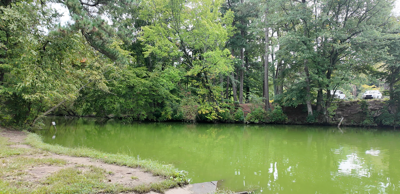


KENT COUNTY, Del. - The Murderkill River runs through parts of Kent County and may look fine from the surface — but researchers say there is plastic pollution hiding in the water.
A new multi-state study found microplastics in all 22 waterways tested across the Delaware River Watershed, including waterways in Delaware.
The testing was conducted by PennEnvironment, Environment America and concerned citizens as part of a citizen-science effort stretching from New York to Delaware.
Researchers tested for four types of microplastics, including fibers from synthetic clothing, fragments from larger plastic products and film from plastic bags and packaging.
Faran Savitz, a zero-waste advocate with PennEnvironment, said the fact that every site tested positive was one of the most concerning findings.
"Of these 22 sites we sampled, all 22 had microplastic pollution," Savitz said.
Researchers demonstrated in Dover how water samples are filtered and then examined under a microscope to identify the tiny pieces of plastic.
Lucy Rowe with the Environment America Research & Policy Center said microplastics can also attract other contaminants already present in waterways.
"When microplastics get into our environment, not only do they contain chemicals already that are harmful to our health and the health of the environment, but they can also attract toxins like lead and mercury."
Researchers are also concerned about the potential impact on wildlife.
Microplastics can be consumed by aquatic organisms and, according to the researchers, can move through the food chain.
The Delaware River and its tributaries are home to hundreds of species of wildlife and plants and provide drinking water to millions of people across the region.
Savitz called the Delaware River "the lifeblood of the entire mid-Atlantic region" and said finding plastic in every waterway tested should be a concern.
Researchers emphasized that the study was designed to determine whether microplastics were present and identify the types found — not to determine which waterway had the highest concentration.
To address the problem, Environment America is calling for policies including producer-responsibility laws for plastic packaging and bottle bills, which provide recycling refunds.
Researchers also encourage residents to reduce their use of single-use plastics, but say larger policy changes are needed to reduce the amount of plastic entering waterways in the first place.