
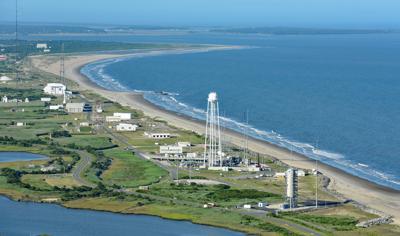

WALLOPS ISLAND, Va. - NASA is exploring a potential expansion of orbital launch operations at Wallops Flight Facility that could open roughly 150 acres of the facility to new launch infrastructure.
In a Request for Information published on Aug. 31, NASA says it is seeking input from U.S. commercial and government entities interested in developing additional launch facilities on the south end of Wallops Island. The agency says the effort is intended to increase orbital launch capacity and launch frequency at the Eastern Shore facility.
The approximately 150 acres under consideration are currently occupied by NASA's suborbital programs. According to the filing, those programs would be relocated to Launch Area 3 to accommodate an expansion of launch capabilities.
NASA says it would retain ownership of the property but could lease parcels for the development, operation, and maintenance of new launch infrastructure. The land under consideration does not include the Virginia Spaceport Authority's existing 118-acre leasehold on Wallops Island.
The agency is asking interested entities to outline what they would build, how much land they would need, and how their plans would integrate with Wallops' existing launch infrastructure.
NASA is also seeking estimates for the number of launches that could take place annually, the types of launch vehicles that could be used, the number of personnel that would work at the site, and any special safety or security requirements. Potential developers are being asked to identify infrastructure needs including electricity, water, wastewater, communications, road access, and fuel storage.
Any future development would have to align with NASA's goal of increasing orbital launch capacity while ensuring environmental protection and public safety.
A map included with the filing shows the approximately 150 acres spread across portions of South Wallops Island, with the Virginia Spaceport Authority's existing leasehold situated between sections of the NASA property.
NASA says the Request for Information is for planning purposes and does not constitute a formal request for proposals or a commitment by the federal government to enter into an agreement.
Instead, NASA says the responses will help it gauge market interest, define potential requirements, and determine whether the government should eventually issue a competitive Announcement for Proposals.
Responses to the Request for Information are due Oct. 30.