
Leadership failures along with a lack of preparedness and poor communication were the driving factors behind a wildfire that destroyed a historic lodge and dozens of structures along the North Rim of Grand Canyon National Park.
A federal review of the Dragon Bravo fire recently made public noted that while drought conditions and extreme fire behavior contributed, systemic weaknesses in the National Park Service related to authority and qualifications hindered decision-making at critical moments.
The 2025 fire should be considered a warning, according to the multiagency team of experts that reviewed the handling of the fire.
“The findings indicated many of the challenges observed during the fire were foreseeable, preventable, and reflective of broader institutional issues that extend beyond a single park, region, or agency,” the report stated.
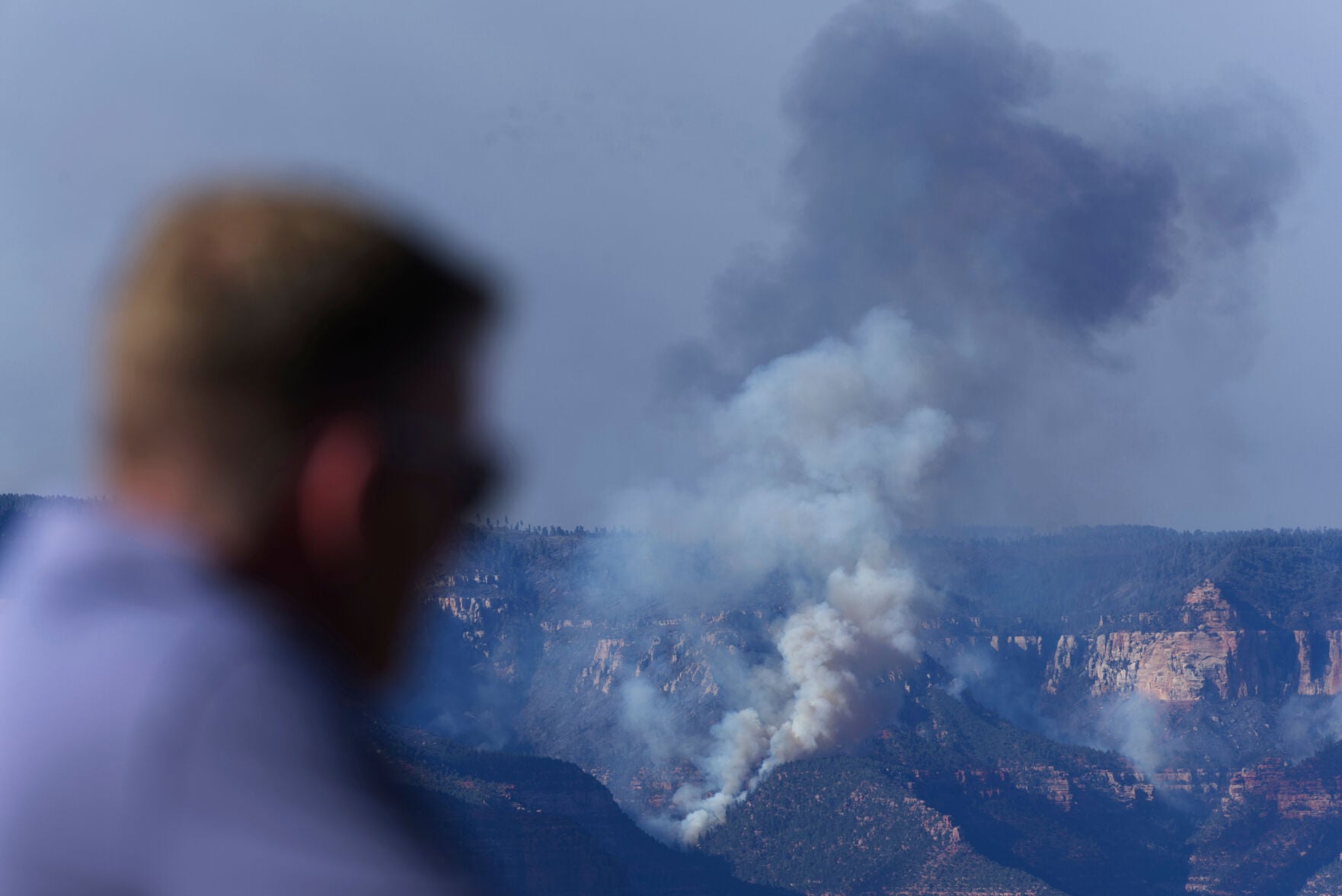
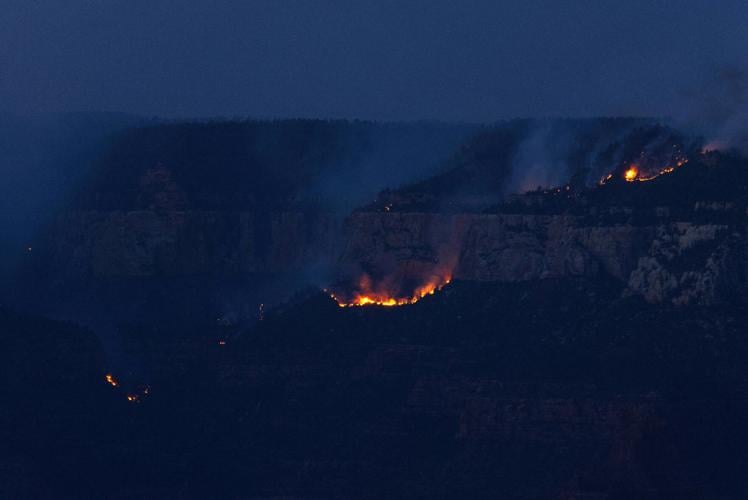
The Dragon Bravo fire was sparked by lightning in July 2025. The park service allowed it to burn for days before it exploded into a fast-moving conflagration that forced evacuations and consumed the Grand Canyon Lodge, historic cabins, employee housing and other critical infrastructure. Suppression costs topped $141 million over three months.
The park service initially defended its handling of the fire, saying a sudden and extreme shift in the wind far exceeded forecasts.
Grand Canyon officials referred questions about the findings to the U.S. Interior Department, which oversees the park service. The Interior Department's Wildland Fire Service said in an email to The Associated Press that the aim is to apply the lessons learned going forward.
“Hindsight is always clearer than real-time decision making. What is important is that the department recognizes the need for a unified and aggressive approach to fighting wildfires,” the fire service said, adding that the creation of the service ensures policies and practices are consistent throughout the Interior Department.
Arizona Gov. Katie Hobbs ' office said people deserved answers about how the blaze was managed, noting that the fire devastated the northern Arizona community. Hobbs spokesperson Christian Slater said the governor is looking forward to working with the administration "to ensure a tragedy like this never happens again.”
The review, ordered by the Interior Department's deputy secretary, provides a timeline, details weather conditions and includes photos of the towering plume that could be seen from the South Rim, the lodge awash in flames and the charred remains of historic buildings.
The review noted that it was known by park officials that the region was experiencing persistent drought and had dense fuels in close proximity to nationally significant historic structures. Fire planning and policy documents existed, but the review stated those plans “were not fully translated into effective preseason preparedness actions or operational readiness.”
The recommendations include requiring agency administrators to undergo training to handle complex incidents and ensuring that communication flows through proper channels so that decision-makers get firsthand, accurate and timely information.
The review highlighted a breakdown in communication that resulted in a multiday delay in fire retardant being used as the flames intensified. The decision to use retardant came only after several structures, including the lodge, already had been lost, according to the findings.
The review also stated that the park service's continued authorization of the confine and contain strategy did not reflect awareness of changing conditions or escalating risk. The recommendations call for fire leadership to regularly reevaluate their strategies and to reconsider weather conditions, fire behavior and the availability of resources.
The review team described the Dragon Bravo fire as a defining event for Grand Canyon National Park and a consequential case study for the Interior Department and the Wildland Fire Service.
The experts stated in the review that the resulting loss of historic structures, the displacement of employees, the risks to firefighters and the significant suppression costs underscore the stakes associated with managing wildfires in complex landscapes.
“What began as a small, naturally ignited fire rapidly evolved into a high-consequence, cross-boundary incident that tested leadership, governance, preparedness, decision quality, and execution across multiple programs and agencies,” the team stated.
Montoya Bryan reported from Albuquerque, New Mexico.