
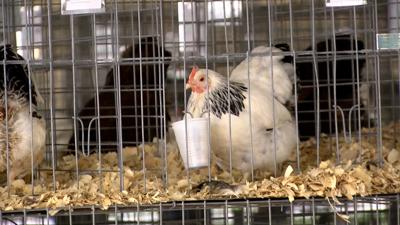

HARRINGTON, DE- After a presumptive positive bird flu case was announced in Kent County this past weekend, Delaware Agriculture Week kicked off with the state's poultry industry in the spotlight. The first session focused on avian influenza, putting farmers on high alert as they learned about the virus, its impacts and how to prevent it.
Avian influenza, commonly known as bird flu, is a highly contagious virus that spreads quickly among birds through secretions and droppings. It can move between flocks — including wild birds — through infected poultry, equipment, and the clothing or shoes of caretakers. The virus affects chickens, ducks, turkeys and some wild birds, such as geese and shorebirds.
While bird flu typically appears during colder months, Georgie Cartanza, a poultry industry extension agent with the University of Delaware, said this year's strain is behaving differently.
"Is there more virus in the wild bird population? Are there more wild birds? Something is definitely changing for us to see this increase in our birds getting it. And so that certainly is a concern to us."
Cartanza said farmers will need to adjust to the changing virus, noting the timing of the case — coinciding with the start of Agriculture Week — made the poultry sessions an important opportunity for education and discussion.
"This is kind of our new normal. And we have to figure out how to protect ourselves to the degree we can and carry on."
Cartanza emphasized that biosecurity is the first step farmers should take, including using dedicated footwear and foot baths to help prevent the virus from spreading.
"That's number one: dedicated footwear. So they don't step in droppings outside and walk into their house. The other is, you know, making sure you sanitize."
William Powell, a poultry farmer from Harrington who attended today's Agriculture Week poultry session, said his farm has never had a case, but he knows the importance of staying vigilant given the virus's potentially devastating impact.
"Well, it's very important to keep everything nice for you, and so we don't kill millions of chickens. Make sure everybody's clean and everything good."
Michael Lewis of the Delaware Department of Agriculture said protecting poultry is critical to the region's economy.
"Poultry is a $1 billion business in Delaware and a multibillion-dollar Delmarva. And we must keep it as safe as possible."
Lewis said the department is staying ahead of the virus through extensive testing, using the same proven methods as years prior.
"It's the same measures that we have been doing for the last several years that have proven to be effective and impactful. The depopulation has already occurred at the site in question in Kent County, and we have to stay on top of it, not just with our state partners, but our federal partners as well."
Officials say anyone who sees a sick or dead bird should report it through the Department of Natural Resources and Environmental Control Division of Fish and Wildlife's sick and injured wildlife reporting form.
Commercial poultry producers are reminded to notify the company they grow for if they notice signs of disease. At the same time, backyard flock owners are encouraged to follow guidance from the Delaware Department of Agriculture.
With continued surveillance, strict biosecurity measures and education, leaders say Delmarva's poultry farmers are taking steps to protect one of the region's most important industries.