
Scientists say there is some encouraging news for Chesapeake Bay blue crabs this year after six consecutive years of below-average juvenile populations.
Scientists say there is some encouraging news for Chesapeake Bay blue crabs this year after six consecutive years of below-average juvenile populations.

Scientists studying the Chesapeake Bay’s iconic blue crab say the species is not currently considered overfished, but new research presented to the Chesapeake Bay Commission on Friday suggests the population may be less productive than previously believed.

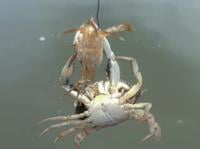
Researchers have published a nearly 40-year study documenting just how prevalent cannibalism is in the Chesapeake Bay’s blue crab population and how protecting shallow-water habitat could play a vital role in sustaining the Bay’s most iconic crustacean.
Maryland and Virginia have released the results of the 2025 Chesapeake Bay Blue Crab Winter Dredge Survey, showing decreased but stable populations of the crustaceans.
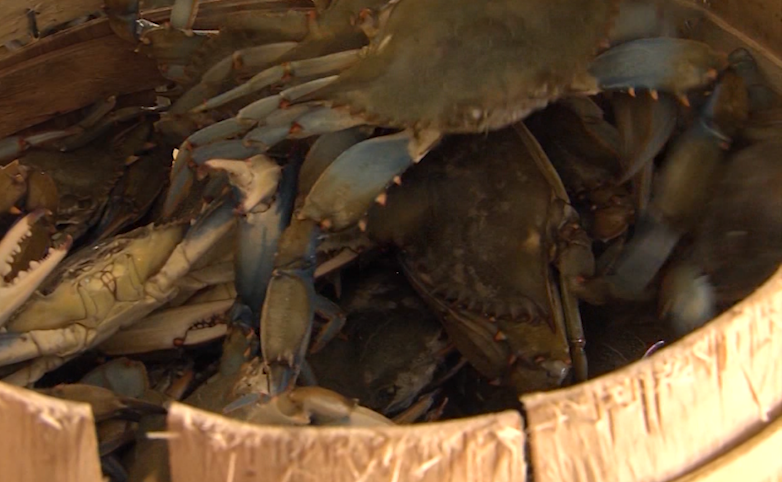
The Virginia Marine Resources Commission (VMRC) has voted 5-4 to repeal a ban on blue crab dredging in the winter near the mouth of the Chesapeake Bay, drawing criticism from Maryland.

he Maryland Department of Natural Resources (DNR) is undertaking a comprehensive update of the Chesapeake Bay blue crab stock assessment, which has not been revised since 2011.
Maryland’s Department of Natural Resources (DNR) has released the results of this year’s winter dredge survey aimed at monitoring blue crab populations in the Chesapeake Bay.
A Tangier man pleaded guilty in federal district court this week to transporting large amounts of blue crabs from Virginia waters and selling them in Maryland, a violation of the Lacey Act.

The annual crab count in the Chesapeake Bay holds significant implications for the upcoming year's regulations.

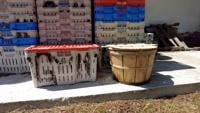
The Maryland Department of Natural Resources (DNR) is revisiting discussions on blue crabs, this time focusing on the containers.