

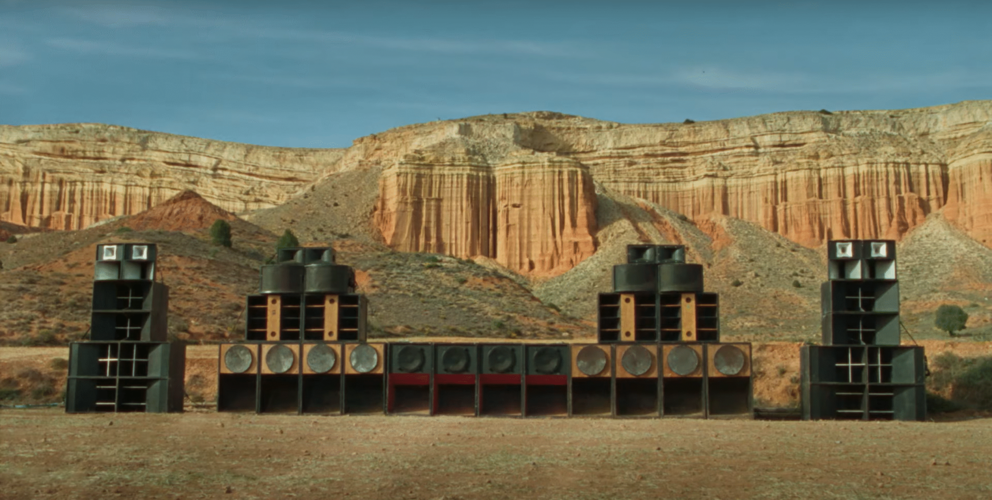




At the 98th Academy Awards, this film was nominated for Best International Feature, from Spain, and Best Sound. The film has more shots of concert speakers or large audio devices than any film in a long time. The opening is workers assembling a sound system for an outdoor rave. The rave takes place in the desert of Morocco. Director Óliver Laxe knows real people from the rave community and does his best to immerse us in that community. So much of this film is depicting people at the rave, or ravers dancing and enjoying the music. It's not like a concert where they're listening to a live band or artist in person. A disc jockey simply plays EDM or club music, and people gather around the speakers to move their bodies. That rave music plays here and there throughout the soundtrack of this film, weaved in and out, which seems to have gotten it its Oscar nomination.
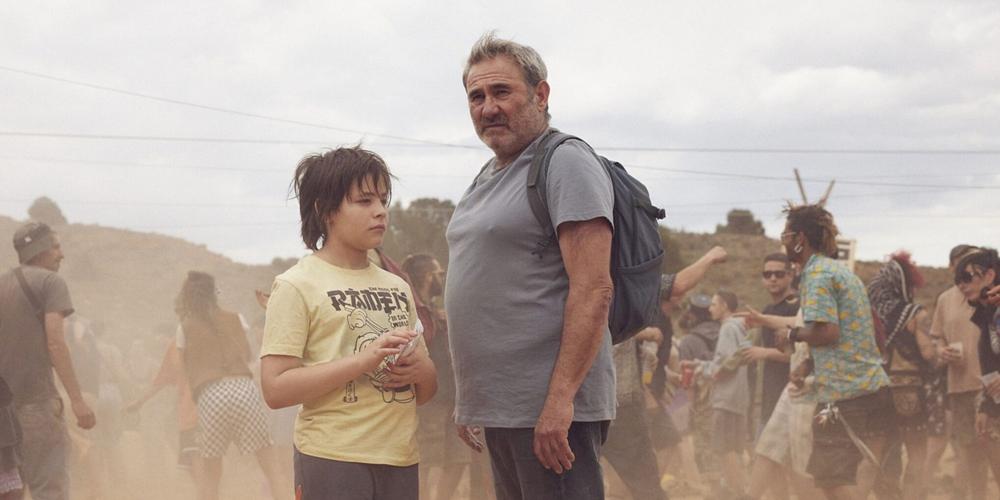
Sergi López (Dirty Pretty Things and Pan's Labyrinth) stars as Luis, a middle-aged man with two children, an adult daughter and a prepubescent son. Presumably, he's from Spain. He's at this Morocco rave because he's looking for his daughter, Mar, who has been "missing" for five months. However, he's heard that she might be at this rave. He packed up his minivan and brought his son, Esteban, on a road trip from Spain to Morocco to try to find her. He and his son attend the rave, showing people there a picture of Mar and asking them if anyone has seen her.

There are some things that are unclear. It's not clear if this film is set in the present. We never see any technology that could've been made in the past 20 years. We never see anyone with cell phones. Yet, given the location, cell phones might not be useful because they're in the desert, which probably doesn't have too many, if any cell phone towers. However, given that Luis knows he's going out to the desert on this desperate search, one would assume he would bring something like a CB radio in case of an emergency. He would want a phone or some way to communicate back home to his wife or mother to his children who also might be worried.
Yet, we never learn about Luis' wife or the mother to his children. The film never gives us anything about her. This becomes indicative of the film overall. Laxe never provides any information beyond the confines of this road trip upon which Luis has embarked. It's a filmmaking tactic to keep us immersed and focused on this specific experience. It's a way to make us, like the characters, feel cut-off or isolated from the rest of the world. This might also be indicative of the rave community.

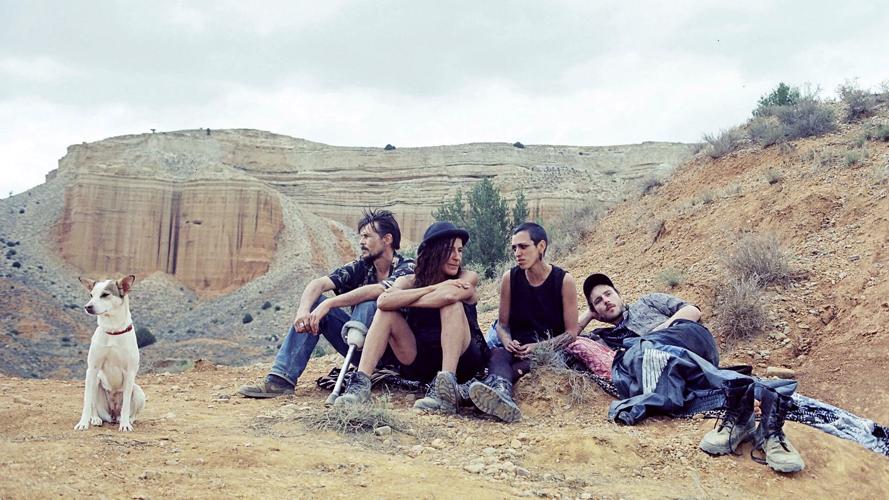
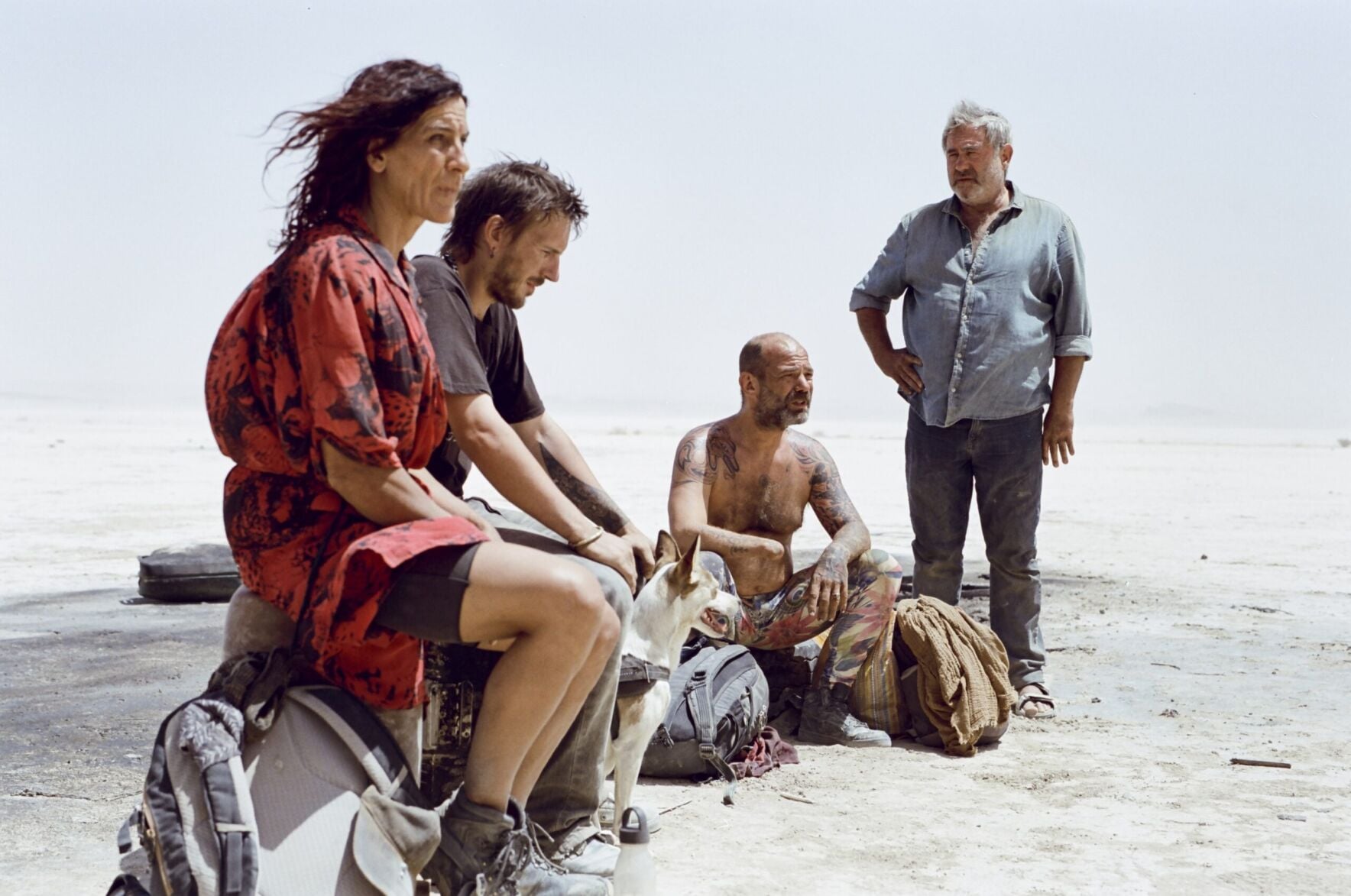
Luis meets a group of ravers, five in particular who are traveling together. Luis asks them if they've seen his daughter. They tell him that there's another rave happening in southern Morocco near the border with Mauritania. If these people don't have cell phones and thus the Internet, or CB radios, how would they know that this other rave is happening or where to go? How are these raves shared or promoted in terms of dates and locations? Who are the organizers? Who is the one that gets the guys to set up the speakers and DJ? These questions are ones Luis might ask and do some smarter investigating in order to find his daughter. Instead, he decides to follow these five random ravers without any knowledge that his daughter will be at this next rave. Luis simply does so like a lost puppy chasing after anything that moves.
What this film doesn't do is convince me why Luis is so desperate to find his daughter. It's assumed at first that she's missing because she was kidnapped, but that doesn't seem to be the case. The ravers ask if she ran away, but Esteban says that she didn't run away. He says Mar is an adult and she just left as most adult children do. Luis says it's been five months since he's heard from her, but there's no indication if that's unusual or not. Plenty of adult children after moving out don't regularly communicate with their parents and can go months without calling or visiting. Luis' behavior suggests his daughter is in some kind of danger, so much that he has to drag his young son all around the desert, particularly when a war has broken out. The urgency of Luis doing all of this is never justified or established, if there's any urgency at all. Is Luis some reckless or overly concerned father? If so, the film downplays that as well. As such, is this film about punishing him for his recklessness? If so, the ravers are also as punished, but why?
Rated R for language, some violent content and drug use.
Running Time: 1 hr. and 54 mins.
Available on Hulu.