
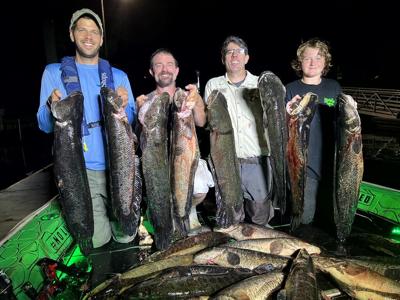

CHESAPEAKE BAY, Md. - A new Maryland Department of Natural Resources study says bowfishing and gigging have become the most common ways anglers are harvesting Chesapeake Channa, also known as the northern snakehead, in Maryland waters.
According to DNR, bowfishing and gigging, which involves using a pronged spear, have surpassed hook-and-line fishing, commercial harvest, and even DNR management removals in effectively dealing with the Chesapeake Channa.
The study, published in Integrated and Comparative Biology, found bowfishers are frequently removing larger females carrying more eggs, which researchers say is a key factor in limiting the invasive species’ population growth.
Maryland DNR says invasive species are difficult to control because they’re built to spread, and Chesapeake Channa are no exception. The fish, native to Asia, were illegally introduced to Maryland waters in the early 2000s and have since spread widely throughout the Chesapeake Bay region. Full eradication is likely unrealistic, according to DNR. Instead, fisheries managers are focusing on reducing their numbers and limiting impacts on local ecosystems.
As interest in catching the fish has grown, DNR says bowfishing has surged in popularity. The method involves using a bow and arrow with a retrieval line to take fish within sight, rather than casting with a rod and reel.
Study author and DNR biologist Dr. Joseph Love said bowfishing is now “an important component of the fishery,” estimating it removes about 20% of the population in the upper Chesapeake Bay each year and calling it one of the “creative, responsible ways” to help meet population management goals.
From 2022 to 2024, biologists worked with the U.S. Fish and Wildlife Service to tag fish and gather data through trips with charter captains, captain diary logs, and reports from both bowfishers and hook-and-line anglers. In 2024 alone, ten charter captains reported more than 550 bowfishing trips across 17 rivers. Most trips lasted about five hours with an average of four people on board. Catches ranged from zero to more than 30 fish, but the typical trip removed about 10 Channa. Harvesting was highest in the spring and fall and during full or new moons, according to DNR.
In the tagging portion of the study, researchers deployed 657 tags and had 149 reported back. Eighty were reported by bowfishers compared to 65 from hook-and-line anglers. After accounting for reporting differences, the department concluded a greater fraction of the fishery’s harvest came from bowfishing than from traditional angling. Removals during electrofishing surveys accounted for only a small amount annually, reinforcing that bowfishers are taking a significant share of snakeheads out of the system.
DNR says the introduction of Channa has been shown to impact native fish communities and encourages anglers to harvest any they catch. There is no season or limit on the invasive fish in Maryland, and the department notes they are also considered an excellent eating fish. Anglers looking for a bowfishing charter can search for guides through the state’s outdoor recreation business directory, and fishing licenses and related purchases help fund fish conservation work statewide.