

WORCESTER COUNTY, MD - Maryland growers with land close to the state line with Delaware said they are seeing increasing crop damage from deer in the area.
"It's a problem for just about every farmer in Bishopville, heading towards Whaleyville and along that Delaware line,” first- generation Bishopville farmer Richard Addis said.
Addis’ land is less than a mile from Delaware, where he says he believes further development is driving more deer into Worcester County.
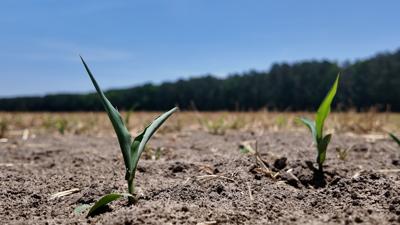
“I've got a picture that shows almost 60 deer in that field across the road there,” Addis said. “My 65 acres that I farm down the road have been absolutely devastated, to the point where it has to be replanted.”
The persistent drought conditions are complicating planting for many, including Addis. He said those acres will likely have to be submitted to insurance as a complete loss.
The Delaware Department of Natural Resources and Environmental Control implemented a new deer population tracking technique this winter. DNREC Wildlife Section Administrator Joe Rogerson said it will take approximately three years to get an updated count.
Rogerson said deer can be displaced by development when essentials like food, water and shelter are no longer available.
"Fewer deer on the landscape means less crop damage and more money in a farmer's pocket, but you know, harvesting and removing deer isn't the only thing they can do,” Rogerson said.
Other mitigation options include repellent spray, propane cannons and planting buffer strips of white clover for deer to eat in lieu of corn or soybean crops.
Wayne Tull in the Whaleyville area says he has seen crop damage from deer get exponentially worse over the years. A 42-acre field surrounded by woods that used to yield a good corn crop is now hardly usable.
Tull said he is not a fan of Maryland’s deer management permits, which allow for a certain number of deer to be harvested during normal hunting hours throughout the year, not just during the designated deer hunting seasons.
"As far as having someone just go ahead and shoot them in the belly, then go into the woods and die, I just don't believe in it,” Tull said. “A lot of times they leave them in the field and the buzzards do more damage than what the deer did.”
Maryland Department of Natural Resources cannot directly manage deer on private property. DNR Deer Project Leader Kevin Lamp said there are multiple options available to Maryland agricultural producers for managing deer on their land. Some of these include recreational hunting during designated seasons, Deer Management Permits that can be used year-round, and Deer Cooperator Permits in extreme cases