

DELAWARE– Delaware's Department of Natural Resources and Environmental Control (DNREC) says protected shorebirds increased their population numbers in 2026, marking progress in species conservation efforts.
DNREC installed new predator fencing at two key least tern breeding spots, resulting in a significant rise in breeding pairs at The Point at Cape Henlopen State Park and Fowler Beach at Prime Hook National Wildlife Refuge.
The state saw 208 adult pairs in 2026, compared to just 127 in 2025. Least tern fledges in the state more than doubled, with 138 in 2026 after only 45 in 2025.
DNREC says this encouraging increase also attracted a pair of common terns to the Cape Henlopen colony, the area's first since the 1990s. Officials hope future efforts will attract more common terns and black skimmers to the protected nesting area.
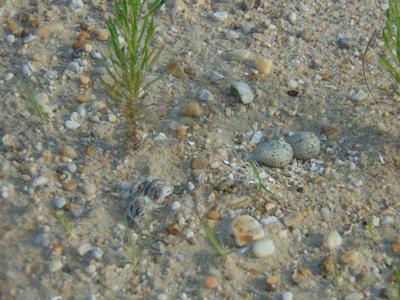
The agency says endangered piping plovers saw nesting success in the state this season despite a decline in adult pairs.
DNREC recorded 10 plover pairs nesting near The Point at Cape Henlopen State Park, an area closed for months to protect the state-listed endangered shore birds. This marks the highest number at Cape Henlopen since monitoring began in 1989.
Fowler Beach at Prime Hook National Wildlife Refuge reportedly saw 15 nesting pairs, bringing the state's total to 25 pairs in 2026. This is down slightly from last year's total of 30, but DNREC says these pairs had higher productivity, producing more fledglings per pair than in 2025.
The average productivity since 2020 has been 1.29, according to DNREC, with this year's rated 1.08. Delaware saw 25 fledglings in 2026, compared to 27 in 2025.
DNREC also says it recorded the first American oystercatcher fledging on a mainland beach since 2019, marking a reduction in predators. Officials monitored seven oystercatcher pairs in 2026, with five chicks hatching from three nests.
Visit DNREC's Beach-Nesting Bird webpage for more information.