

LEWES, Del. - A state-endangered beach bird is getting a helping hand at Cape Henlopen State Park as Delaware environmental officials work to rebuild declining least tern populations along the coast.
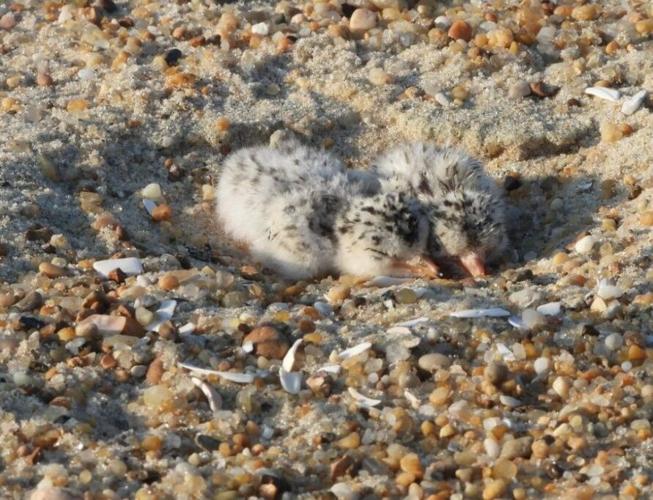
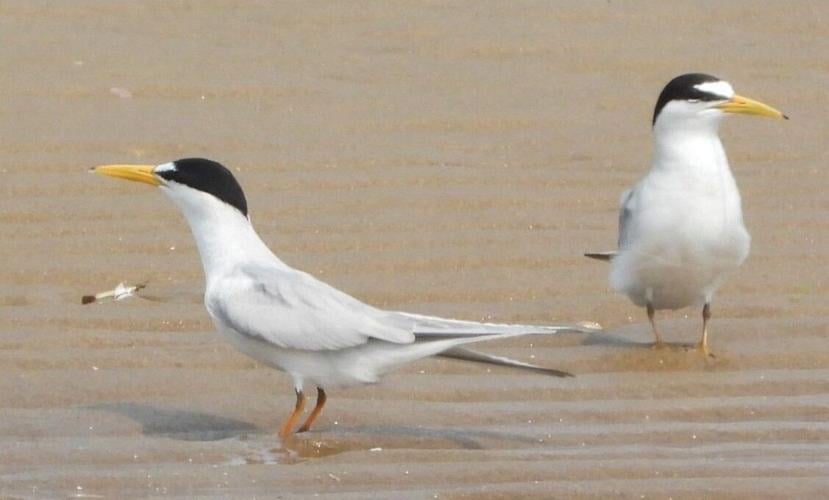
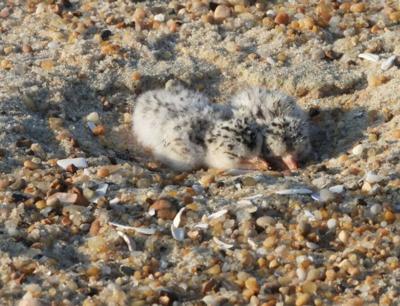
The Delaware Department of Natural Resources and Environmental Control says least terns, small seabirds recognized by their silvery-gray wings, yellow bills, and black caps, have struggled in recent years due to predators, severe weather and dangerous nesting conditions along Delaware beaches.

Courtesy of DNREC - Liz Turner-Jessica McNulty
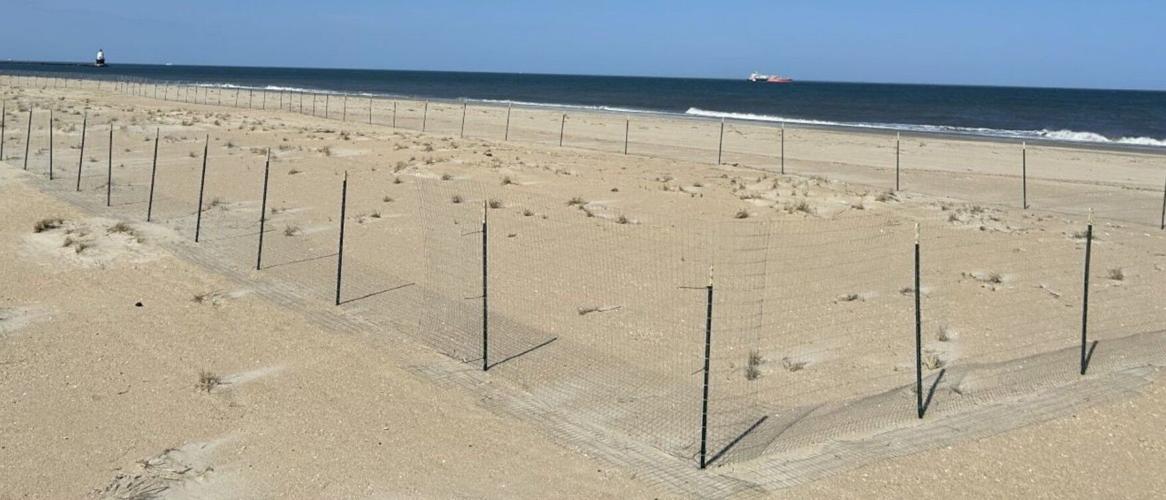
Now, DNREC’s Division of Fish and Wildlife and Division of Parks and Recreation are teaming up to create two protected nesting areas at The Point inside Cape Henlopen State Park.
The fenced-in nesting plots, known as exclosures, are designed to give the birds a safer place to breed and raise chicks above the high tide line. Officials say the project is part of a broader effort to help recover the species after years of declining nesting success.
“The motivation for the project is that added protection can make least tern nests and fledglings less vulnerable to predation, and also bring back their numbers at a location historically favored by the species,” said DNREC Wildlife Section Administrator Joe Rogerson.
Least terns nest directly on the sand, typically laying two eggs in shallow scrapes, making them especially vulnerable to predators like foxes and coyotes as well as extreme summer heat and coastal storms.
According to DNREC, least tern populations at The Point have fluctuated sharply in recent years. State biologists documented no breeding activity there in 2023. In 2024, officials identified 16 nesting attempts. Last year, biologists recorded 53 nesting attempts at Cape Henlopen, but despite many eggs hatching, officials say no chicks were confirmed to survive to fledging at The Point.
Statewide numbers have also varied dramatically over the past two decades. DNREC recorded statewide lows of just five breeding pairs in 2012, 2013 and 2015. By comparison, the state saw a rebound to 127 pairs in 2025, largely thanks to habitat restoration efforts at Fowlers Beach on Prime Hook National Wildlife Refuge.

Courtesy of DNREC - Liz Turner-Jessica McNulty
The new exclosures at Cape Henlopen cover about 2.65 acres and include six-foot welded-wire fencing with a buried skirt designed to stop predators from digging underneath.
The protected area is also located within a seasonal closure already used to protect federally threatened piping plovers.
In addition to the fencing, DNREC staff are using decoys and sound playback to encourage least terns returning to Delaware this summer to settle and nest inside the protected habitat.
“The joint effort between the DNREC divisions aims to provide a safe and nurturing space that will enable successful nesting and fledging of least terns and create a template for additional beach-nesting bird projects in the future,” said Chris Bennett, environmental stewardship program manager for DNREC’s Division of Parks and Recreation.
Least terns are listed as a Tier 1 Species of Greatest Conservation Need in Delaware’s 2025 Wildlife Action Plan.
More information about least terns, piping plovers and other beach-nesting birds can be found on DNREC’s beach-nesting bird webpage.