
SALISBURY, Md. - A coalition of seafood companies including several local businesses filed a federal lawsuit challenging new federal seafood import restrictions that they say could devastate crab processing operations on the Eastern Shore and disrupt the nation’s crab supply chain.
While the companies have been successful in delaying those restrictions, the federal government could reintroduce them this month.
The original lawsuit, acquired by WBOC, was filed in October of 2025 in the United States Court of International Trade by the National Fisheries Institute, Restaurant Law Center, and several seafood importers and processors. Those businesses included Baltimore-based Phillips Foods and Salisbury-based Handy Seafood, Cebu Pacific LLC, and Byrd International Inc.
The companies challenged a decision by the National Marine Fisheries Service and the National Oceanic and Atmospheric Administration to deny “comparability findings” to hundreds of foreign fisheries under the Marine Mammal Protection Act. The government argued that some countries’ fisheries, including swimming crab fisheries in Southeast Asia, employed practices that harm or threaten ocean mammals “in excess of United States standards.”
According to the complaint, the federal government’s decision would have blocked imports beginning Jan. 1, 2026 from fisheries in Indonesia, Vietnam, the Philippines, and Sri Lanka that supply much of the swimming crab meat sold in the United States.
The plaintiffs argued the restrictions threatened severe economic damage to seafood companies that rely heavily on imported crab meat from Southeast Asia.
Phillips Foods told the court it has imported blue swimming crab and related seafood products from Indonesia, the Philippines, and Vietnam since 1989 and generates nearly $180 million in annual revenue tied to those fisheries. The Baltimore company said the import ban would force operational shutdowns, layoffs, supply interruptions, and possible long-term loss of customer relationships with restaurants, retailers, and distributors.
According to the lawsuit, Phillips argued there is no commercially viable substitute source capable of replacing the imported crab supply.
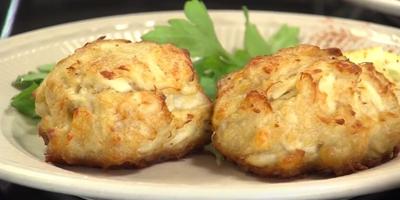
Handy Seafood, headquartered in Salisbury, said the ruling threatened a major portion of its business because most of its crab meat and a substantial amount of its crab cake production comes from Indonesia. Handy told the court it expected to stop production in late October 2025 and could be left with more than $1 million in stranded packaging and ingredient inventory in Indonesia if the restrictions took effect.
The company also warned the restrictions could damage its ability to supply key customers and lead to loss of skilled labor across its supply chain. Handy argued that even if import approvals were restored later, rebuilding customer relationships and production capabilities could take years.
Salisbury-based Cebu Pacific LLC and Byrd International Inc. also joined the lawsuit, saying the restrictions jeopardized more than $40 million in annual revenue. The companies said they have imported crab products from Indonesia, the Philippines, and Vietnam for about 30 years and operate overseas processing facilities employing roughly 800 workers domestically and internationally.
According to the complaint, the companies warned the import ban would force plant shutdowns, layoffs, contract issues with major foodservice customers, and permanent market losses because alternative sources of blue swimming crab are extremely limited.
The broader lawsuit argued the federal government improperly changed how it evaluates foreign fisheries under the Marine Mammal Protection Act by focusing too heavily on whether foreign nations had U.S.-style regulatory systems in place instead of focusing on actual conservation outcomes.
In a separate motion seeking a preliminary injunction, filed on Oct. 14, 2025, the plaintiffs argued the import ban would eliminate roughly 89% of the blue swimming crab available to the U.S. market. The companies said there was no practical domestic replacement because American fisheries, including those here in the Chesapeake Bay, currently provide only a tiny fraction of the demand.
The plaintiffs also argued seafood businesses were already beginning to cancel orders, reduce operations, and prepare for layoffs because of long overseas shipping timelines that made compliance with the January 2026 deadline nearly impossible.
The case was ultimately dismissed without prejudice at the end of October after both sides reached an agreement that temporarily paused the import ban for blue swimming crab fisheries in Indonesia, Vietnam, the Philippines, and Sri Lanka while the federal government reconsidered the affected fisheries.
The National Fisheries Institute, along with fellow plaintiffs including the Maryland seafood businesses, now await a reissued ruling from NOAA.
Under the agreement approved by the court, NOAA was given time to reopen the review process, collect additional information from foreign governments and interested parties, and issue a new public determination within 180 days after the government shutdown that ended on Nov. 12, 2025. That would put the deadline in May of 2026, but the National Fisheries Institute tells WBOC that should NOAA not issue a reconsideration in the coming days, the import bans would continue to be paused.
WBOC reached out to NOAA on Wednesday as to when a decision on the review could be expected but did not receive an immediate response.