
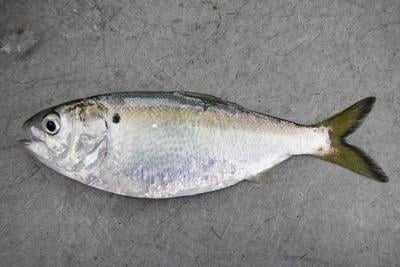

CHESAPEAKE BAY - Fisheries regulators approved changes this week that will lower the Chesapeake Bay’s industrial menhaden harvest cap by roughly one-third over the next two years, according to the Chesapeake Bay Foundation.
The environmental group welcomed the Bay restrictions but said separate cuts to the Atlantic coastwide catch limit fall short of protecting the fish and the wildlife that depend on them.
Menhaden are an important food source for striped bass, osprey, and other predators. The Atlantic States Marine Fisheries Commission manages the species along the East Coast.
According to CBF, the commission’s actions Tuesday and Wednesday will bring the Chesapeake Bay reduction fishery cap down from 51,000 metric tons to 33,847 metric tons by 2028. The cap applies to menhaden harvested from the Bay for processing into products such as fish meal and oil.
The commission also linked the Bay cap to the coastwide catch limit, setting it at 21.8 percent of that total, with a ceiling of 51,000 metric tons, CBF said. That means future changes to the coastwide limit will also affect the amount allowed to be harvested from the Bay.
“For the Chesapeake Bay, this is a hard-earned win, but it’s not the finish line,” said Will Poston, CBF’s forage campaign manager. “Reaching the lowest Bay cap on record is real progress toward a healthy Bay.”
The coastwide limit, which includes catches in the Chesapeake Bay, will decrease from 186,840 metric tons to 170,000 metric tons in 2027 and 155,000 metric tons in 2028, according to the foundation. The final limit is about 17 percent below the current allowance.
CBF argued those reductions would offer little immediate benefit because recent catches have already fallen below the new limits. The group cited approximately 147,000 metric tons in total menhaden landings in 2025.
The foundation also said the coastwide decision did not sufficiently account for the commission’s ecosystem science, which considers the needs of predators that eat menhaden.
The commission’s published assessment lists Atlantic menhaden as not overfished and says overfishing is not occurring. Those measures assess stock health and fishing pressure; ecosystem management also considers menhaden’s role as food for other species.
CBF said concerns about starving osprey chicks and declining catches among watermen harvesting menhaden for bait helped drive calls for stronger restrictions.
The foundation and more than 40,000 individuals supported proposals that included cutting the Bay cap in half and dividing the fishing season into three quota periods, according to CBF.
“We’ll keep fighting for stronger protections that leave more menhaden in the water to sustain wildlife and the communities that depend on them,” Poston said.