
NEW DELHI (AP) — India's youth “Cockroach” movement was set to hold fresh protests in the capital New Delhi on Saturday, intensifying a nationwide campaign against a contentious voter list revision that has fueled anger at Prime Minister Narendra Modi’s government and election authorities.
Thousands of protesters are expected at Jantar Mantar, the city's designated protest site, where authorities have imposed sweeping restrictions including suspension of mobile internet. Police said Friday they had denied permission for the protest because the request was submitted late.
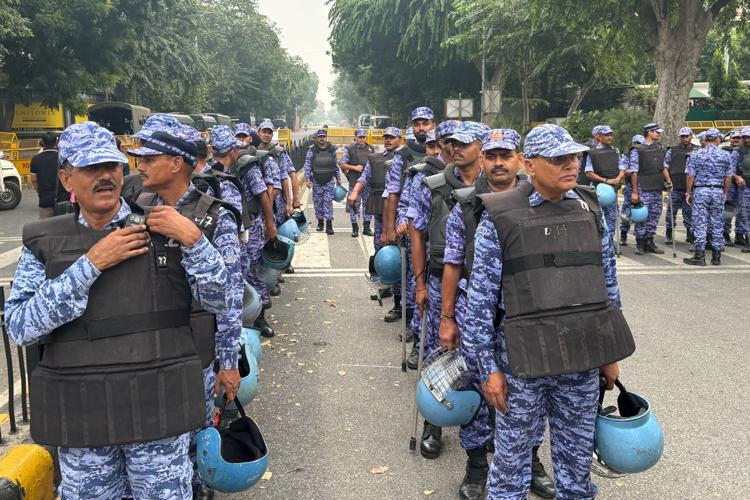
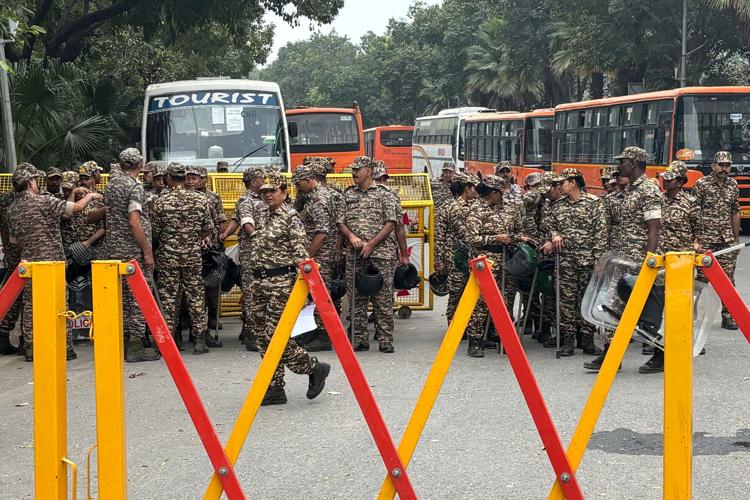
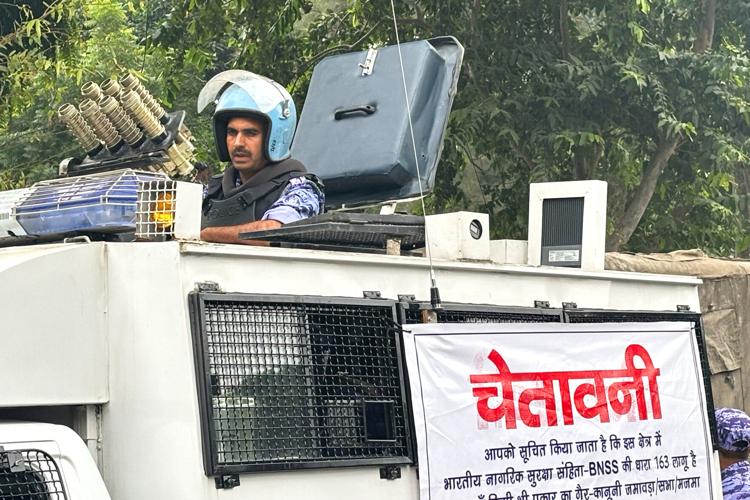
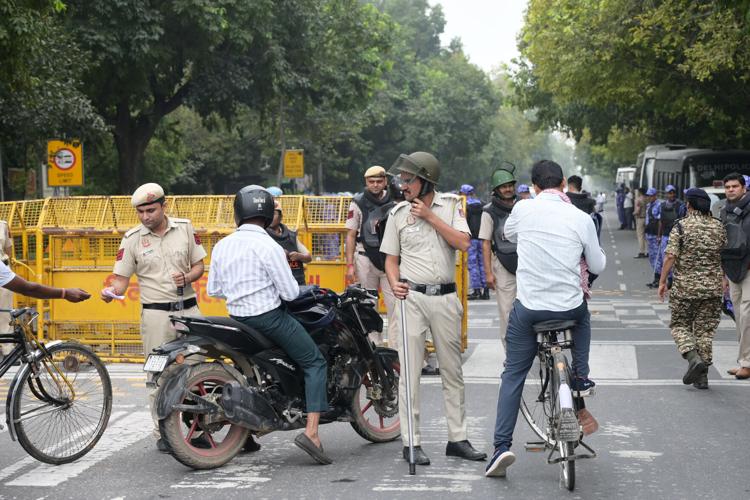
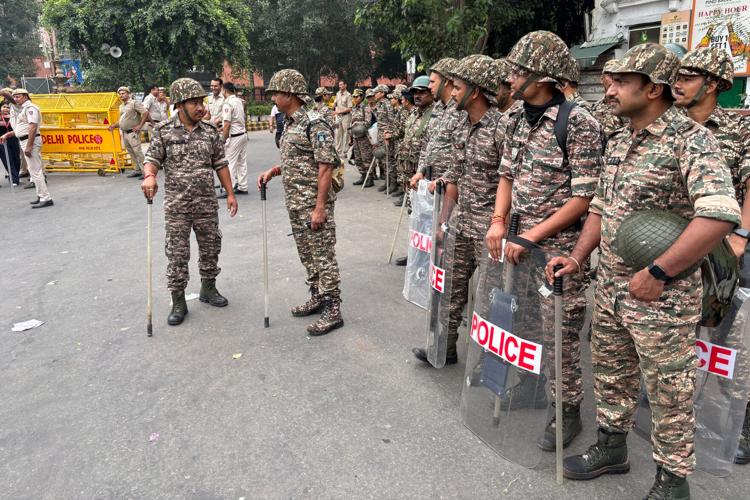
The demonstration site has been cordoned off with yellow metal barricades and thousands of police personnel have been deployed in and around the area. Restrictions on train services and metro stations were expected to disrupt travel across the capital and make it harder for protesters to reach the venue.
The preparations signal the authorities’ determination to contain a fast-growing protest campaign that has mobilized thousands of young people, drawn opposition support and intensified scrutiny of Modi. The protests also come at a politically sensitive time, months after demonstrations led by the “Cockroach” movement over exam paper leaks forced Modi’s education minister to resign in July.
Police detain some demonstrators heading to protest site
The police moved to intercept protesters before they could reach the protest site, chasing some away and detaining others. Those detained were bundled into police vehicles and driven away.
At entry points to central New Delhi, officers stopped buses, cars and other vehicles, boarding them to search for people headed to the demonstrations. Anti-riot vehicles equipped with tear gas launchers stood along key routes. Journalists also faced restrictions in some areas while trying to cover the demonstration.
“We are a democracy, yet peaceful protests are being crushed by force. Shouldn’t we fight for our rights,” said Tanya Negi, a college student who traveled from Mumbai with two friends and arrived early Saturday, determined to reach the protest site. “Why is Modi afraid of India’s young people?”
India’s voter list dispute raises election fairness concerns
The protests center on India's Election Commission’s Special Intensive Revision, which the opposition says has disenfranchised millions of eligible voters. Protesters demand the resignation of Chief Election Commissioner Gyanesh Kumar and an end to the change, which has removed more than 130 million names from voter lists so far.
The Election Commission and the government reject allegations of voter manipulation, saying the revision is intended to eliminate duplicate and ineligible entries.
The dispute has become a rallying point for opposition parties seeking to challenge Modi’s Hindu nationalist Bharatiya Janata Party.
Saturday's planned demonstration follows days of protests in the Indian capital where opposition lawmakers also stepped up their campaign, with Congress party leader Rahul Gandhi being briefly detained by police.
Gandhi and other opposition leaders have accused the commission of conducting the voter revision in a way that benefits Modi’s party. The opposition says voters more likely to support its parties have been disproportionately affected by the removals, while supporters of the BJP have been spared or added to the lists.
The commission and the government deny the allegations.
India’s youth movement broadens campaign against Modi
For the “Cockroach” movement, the voter list dispute offers an opportunity to broaden its campaign.
The movement began online in May and gained prominence through demonstrations, sit-ins and hunger strikes over alleged exam paper leaks. Those protests culminated in the resignation of Modi’s education minister in July, a rare political setback for a prime minister who has maintained a firm hold on national power for more than 12 years.
For Modi, the protests pose a challenge midway through his third term, though their political impact remains unclear. National elections are not due until 2029, but state elections next year in BJP-ruled Uttar Pradesh, India’s most populous state, and Gujarat, Modi’s home state, will test the party’s standing.