
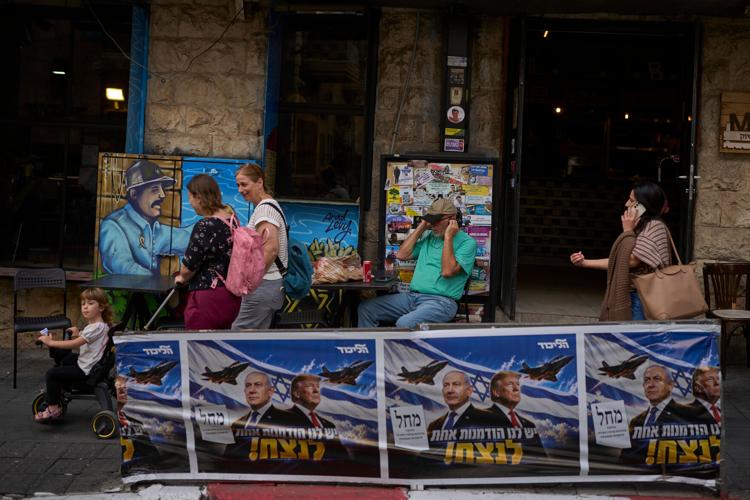

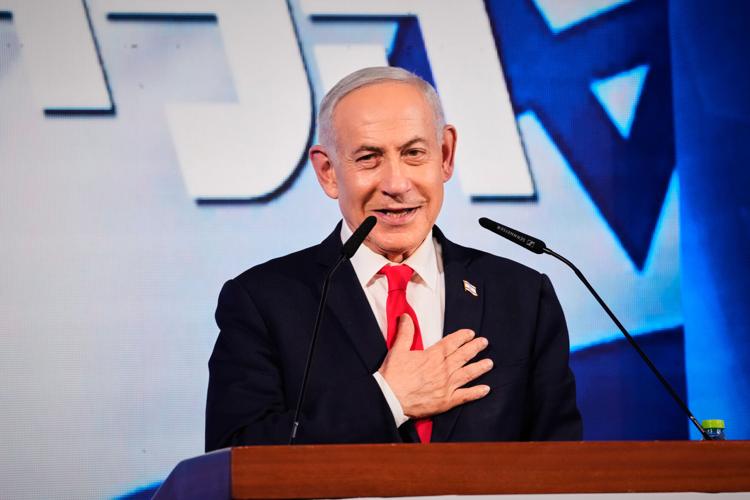
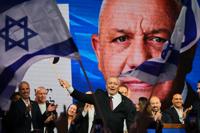
JERUSALEM (AP) — Israelis on Thursday waited for final election results to confirm what they see taking shape: No majority of parliament seats for Prime Minister Benjamin Netanyahu and his allies, or for the array of parties seeking to unseat him.
Difficult decisions lie in the weeks ahead, including whether some Jewish and Arab parties would team up in a historic alliance, or whether some parties that campaigned on ousting Netanyahu would toss that aside and join forces with the deeply divisive prime minister. While this plays out, Netanyahu remains in charge.
Final results could come as early as Thursday evening after about a half-million absentee ballots are counted from military personnel, diplomats, people in prisons and hospitals, and others. They are not expected to sway the results dramatically.
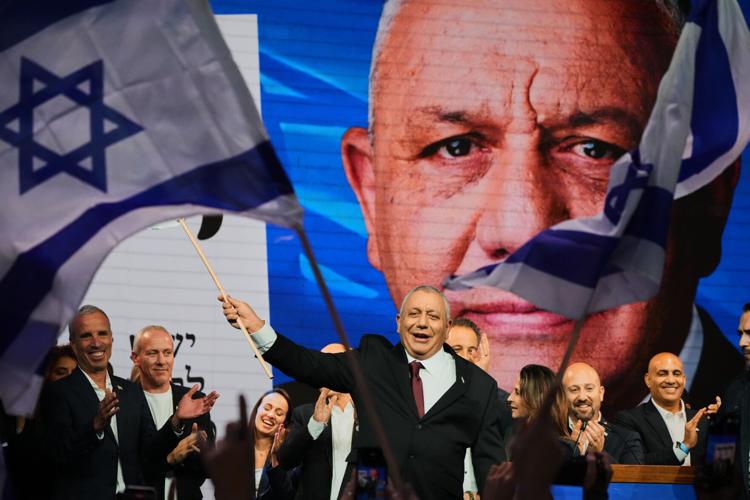
The chief rival to Netanyahu, former military chief Gadi Eisenkot, in his first public statement since an address to supporters early Wednesday spoke of a government in service to all and reflecting the will of the people.
He did not mention the prospect of joining forces with the Arab-led parties that had a strong showing as some Arab citizens broke longstanding vows never to vote in a country in which they have long been subject to discrimination.
One of those Arab parties, the Joint List, late Wednesday noted the “unprecedented show of strength" and the Jewish voters "willing to swim against the tide of racism." It said it was open to political cooperation.
Netanyahu's Likud party, despite receiving the most votes, has accused the Arab-led parties of stealing the election and asked the election committee to investigate. It did not provide specific evidence to support its claims. The election committee has said the number of reported irregularities in the relatively calm election was low.