

CHESAPEAKE BAY, Md. - A massive sewage spill into the Potomac River is raising concerns across the region, especially for watermen who make a living on the Chesapeake Bay.
On Jan. 19, a 72-inch sewer pipe known as the Potomac Interceptor ruptured along the Clara Barton Parkway in Montgomery County, spilling an estimated 240 to 300 million gallons of wastewater into the Potomac River, according to Maryland’s Department of Natural Resources.
DNR says wastewater from the breach has since stopped entering the river with the flow ending on Feb. 8. Crews accessed the damaged pipe and began repairs, and long-term fixes are now in the works, officials say.
DNR says that while the break happened upstream and under federal jurisdiction, Maryland agencies have been heavily involved in monitoring any potential impacts downstream.
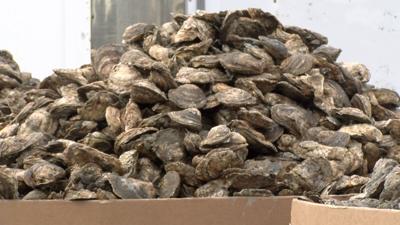
For local watermen and seafood lovers across Delmarva, the spill has raised questions on what it could mean for aquatic life in the Chesapeake Bay, especially the oysters.
The Maryland Department of the Environment says it immediately closed a small portion of the Potomac River out of caution following the spill. That closure does not impact other shellfish harvesting areas, including approved or conditionally approved waters elsewhere in the Potomac or the Chesapeake Bay.
Underscoring that point, officials say oysters currently being sold from the Chesapeake Bay meet National Shellfish Sanitation Program standards and are not coming from the closure area.
State officials say each bushel of Maryland-harvested oysters is tagged with its harvest location and tracked to ensure food safety standards are met.
MDE’s Water and Science Administration continues to regulate shellfish harvesting waters through water sampling and bacteriological testing of both water and shellstock. Daily sampling shows bacteria levels decreasing over time and distance from the spill site, though officials caution that water quality can fluctuate for a number of reasons.
DNR has also begun evaluating potential impacts to fish, shellfish, and wildlife now that ice has cleared from the Potomac and downstream waterways.
Meanwhile, the Maryland Department of Agriculture says it remains in communication with seafood stakeholders, including aquaculture and oyster operations, to protect the state’s agricultural economy if any impacts emerge.
“Oysters harvested from the Chesapeake Bay and other tributaries have not been affected by the spill,” Maryland officials reiterated in a press release on Friday, Feb. 20.