


DOVER, Del. - Delaware Governor Matt Meyer has signed three new bills into law aimed at strengthening the First State’s animal welfare through limiting retail pet sales, increasing penalties for repeat animal cruelty offenders, and requiring veterinarians to report suspected cruelty.
As WBOC previously reported, House Bill 131 generally prohibits retail pet stores from selling, leasing, auctioning or transferring dogs and cats. The law still allows stores to partner with nonprofit shelters and rescue organizations to showcase animals available for adoption, as long as the stores have no financial interest in those adoptions.
Certain existing retail pet stores may continue selling dogs if they were licensed and operating for at least one year before the law’s effective date and remain under the same ownership. Those stores must obtain dogs from federally licensed breeders and brokers without certain recent U.S. Department of Agriculture violations.
The businesses must also disclose the breeder and broker license numbers for each dog, maintain sourcing records, and submit lists of their breeders and brokers to the Delaware Office of Animal Welfare twice a year.
Violations carry a $500 civil penalty for each prohibited transaction or each day an exempted store fails to meet the law’s requirements. The Office of Animal Welfare will enforce the measure and may suspend or revoke a store’s authority to continue selling dogs.
House Bill 131 takes effect Jan. 23, 2027, six months after it was signed.
House Bill 134 targets repeat animal cruelty offenders by increasing both criminal penalties and restrictions on animal ownership. Under the law, a person’s third misdemeanor animal cruelty violation will be elevated from a Class A misdemeanor to a Class F felony. After one felony animal cruelty conviction, any additional offense that would otherwise be a Class F felony will instead become a Class E felony.
A person convicted of a second or subsequent misdemeanor animal cruelty offense will also be prohibited from owning or possessing animals for 10 years, up from five years. A person convicted of a second felony animal cruelty offense will be barred from owning or possessing animals for life, without exception.
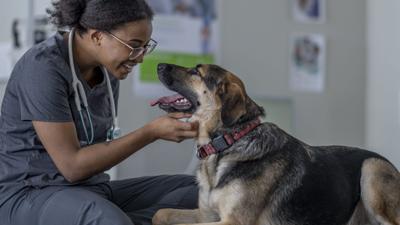
The third measure, House Substitute 1 for House Bill 415, makes it mandatory for veterinarians to report suspected animal cruelty.
Under the new law, veterinarians who suspect an animal is being subjected to cruelty must report the case to the Office of Animal Welfare or another appropriate authority. The law protects veterinarians who make reports in good faith from civil and criminal liability, as well as professional discipline related to the report.
Reports and the veterinarian’s identity must generally remain confidential under HB415. Animal welfare investigators and other enforcement agencies are also required to establish procedures protecting the identity of reporting veterinarians.
Veterinarians will have to complete one hour of training on recognizing and reporting suspected cruelty before receiving or renewing a Delaware license. Additional training will be required every six years.
Those licensing requirements apply to veterinary licenses issued or renewed after Dec. 31, 2026.