

TILGHMAN ISLAND, Md. - Blue catfish in the Chesapeake Bay have been a major problem for watermen.
While blue catfish are an invasive species that eat smaller crabs and rockfish, they're also a good and sustainable animal. According to Salisbury University Assistant Professor of Physiology in the department of Biology Noah Bressman, catfish are the only fish in the U.S. that's regulated by the United States Department of Agriculture [USDA].
Right now, regulations are written in the 2018 Farm Bill. The Farm Bill is written every five years. So, there's a push to change that for the 2023 Farm Bill.
With the massive number of blue catfish in the bay, Bressman says doing away with the USDA regulation requirements could create more catfish processing plants and help with getting the large population numbers down.
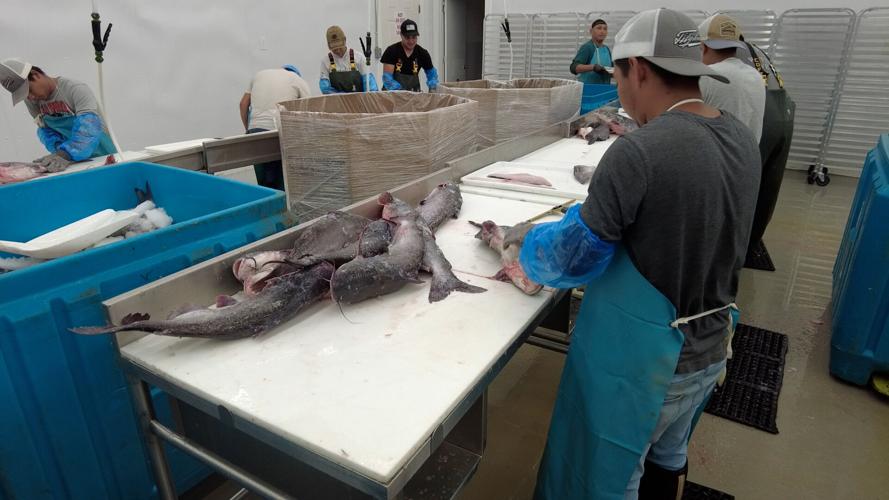
Inside Wittman Wharf, a USDA regulated building on Tilghman Island, people move quickly to wash and filet catfish. But even opening for the day, is a process. There's a lot of regulations that owner Nick Hargrove has to jump though. To name a few, the floor and the walls need to have antibacterial coating. The air and the water need to be an exact temperature and an inspector from USDA comes every morning before processing.
Bressman says, all of these regulations get in the way. He says, "By getting rid of the USDA inspections, more processing plants will open. The ones who do other fish can do blue catfish in the same day. Therefore, the fishmen can get their catfish cleared out more and get a fairer price so they're more likely to go out and actually remove these catfish."
Hargrove feels, even though regulations are a pain, that USDA stamp allows him to sell the sustainable fish to food banks or the military.
"It's providing a better product for the customer in the end. It also has a level of security that a lot of people need when eating a fish like the catfish," says Hargrove.
Hargrove says it could be a competition issue if regulations go away.
"When you try to get just anybody involved in it, you start to lose consumer confidence in the fish. That's going to affect not only us but the fishermen as well."
Hargrove goes on to say that there would be competition. If more catfish processing plants open, prices would fluctuate, causing payment towards fishermen to drop.
Hargrove says if they do change the regulation on the 2023 Farm Bill, there should be a choice. But, he says he would stay with USDA regulations.
Bressman added to that point. He says, "There's so much [blue catfish] that we need to get them out of the bay." He goes on to say, "to keep the status quo with the blue catfish population we need to remove about 15 million pounds of catfish per year to bring their population down to a level that we want. Or below, we need at least 30 million pounds a year."
Bressman says he has been in contact with Congressman Andy Harris' team to improve language, within the bill, to address the problem with the blue catfish.