
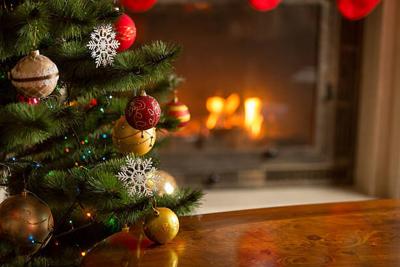
The National Fire Protection Association is strongly encouraging everyone to keep the festive memories and remove their Christmas trees. According to the Association, 33% of home fires in the U.S. involving Christmas trees occur in January.
“As much as we all enjoy the look and feel of Christmas trees in our homes, they’re large combustible items that have the potential to result in serious fires,” said Lorraine Carli, vice president of Outreach and Advocacy at. “The longer Christmas trees remain in homes, the longer they present a risk.”
Carli notes that fresh Christmas trees, which continue to dry out and become more flammable over time, are involved in a much larger share of reported Christmas tree fires than artificial trees. According to the latest Christmas
Tree Fires report from NFPA, 160 home structure fires began with Christmas
trees, resulting in two civilian deaths, 11 civilian injuries, and $12 million in direct property damage, on average each year between 2016 and 2020. Overall, fires that begin with Christmas trees represent a very small but notable part of the U.S. fire problem, considering that they are generally in use for a short time each year.
trees, resulting in two civilian deaths, 11 civilian injuries, and $12 million in direct property damage, on average each year between 2016 and 2020. Overall, fires that begin with Christmas trees represent a very small but notable part of the U.S. fire problem, considering that they are generally in use for a short time each year.
To safely dispose of a Christmas tree, NFPA recommends using the local community’s recycling program, if possible; trees should not be put in the garage or left outside. NFPA also offers these tips for safely removing lighting and decorations to ensure that they remain in good condition:
- Use the gripping area on the plug when unplugging electrical decorations. Never pull the cord to unplug any device from an electrical outlet, as this can harm the wire and insulation of the cord, increasing the risk for shock or electrical fire.
- As you pack up light strings, inspect each line for damage, throwing out any sets that have loose connections, broken sockets or cracked or bare wires.
- Wrap each set of lights and put them in individual plastic bags or wrap them around a piece of cardboard.
- Store electrical decorations in a dry place away from children and pets where they will not be damaged by water or dampness.
For more information on home fire safety all winter long, visit “Put a Freeze on Winter Fires,” a winter safety campaign NFPA promotes annually with the U.S. Fire Administration.
For this release and other announcements about NFPA initiatives, research, and resources, please visit the NFPA press room.