

ANNAPOLIS, Md. - A seafood program with roots on the West Coast is expanding into the Mid-Atlantic, with a mission that tackles two challenges at once: feeding students healthier meals and reducing the population of invasive blue catfish in the Chesapeake Bay.
Seafood company Real Good Fish announced on Monday it is bringing its Bay2Tray program to the East Coast, partnering with schools, seafood processors, and state agencies to put blue catfish on institutional menus, including K-12 schools.
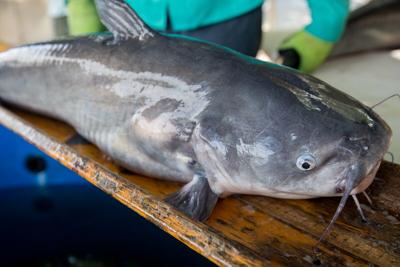
Blue catfish are an aggressive, fast-spreading invasive species. With no natural predators, the fish threaten native species and industries tied to crabs, oysters, and commercial fishing.
Bay2Tray aims to turn that problem into a solution.
“Bay2Tray is built on a simple idea with big impact: when schools serve local seafood, everyone benefits,” said Jennifer Lovewell, chief nutrition officer at Real Good Fish. “That includes students, fishermen, communities, and the environment.”
The program connects schools directly to regional fisheries, helping food service teams serve affordable, nutritious seafood while supporting local watermen. On the East Coast, the focus is on blue catfish, a mild-tasting fish high in protein and omega-3s.
With help from a USDA grant, Real Good Fish has partnered with Caroline County Public Schools, Tilghman Island Seafood, the Maryland and Virginia departments of education, and the Maryland Department of Agriculture. The goal is to expand access to blue catfish products, develop kid-approved recipes, and provide training and classroom materials.
“We’ve been serving blue catfish burgers on our menu for quite some time, and many students say it’s the best meal we have,” said Beth Brewster, food service supervisor for Caroline County Public Schools. “It also gives students a sense of pride knowing they’re helping the local environment.”
Supporters say seafood offers key nutrients that support brain health, focus, and learning, but remains rare in school cafeterias. Many districts operate on food budgets of about $1.25 per student per meal, according to Real Good Fish, making it difficult to serve high-quality protein.
Real Good Fish founder Alan Lovewell said Bay2Tray is designed to make seafood more accessible, even under tight budgets.
“Our goal is to help schools reach the recommended two servings of seafood per week,” Lovewell said. “Right now, most students only eat about one serving of seafood per year at school.”
The program, launched more than a decade ago in California, is now expanding to schools, colleges, hospitals, and other institutions across the country. Organizers say it mirrors the farm-to-school movement by introducing students, especially those with limited access to fresh food, to healthy proteins while supporting local fisheries.
Those interested in participating in Bay2Tray or sourcing sustainable seafood can contact Real Good Fish directly.