
A new state report is raising concerns about the long-term availability and quality of groundwater on Virginia’s Eastern Shore, with environmentalists pointing to the results to argue for more restrictions on data centers.
A new state report is raising concerns about the long-term availability and quality of groundwater on Virginia’s Eastern Shore, with environmentalists pointing to the results to argue for more restrictions on data centers.

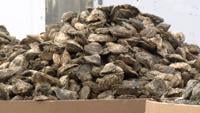
Maryland's commercial oyster harvest limits will remain unchanged for the 2026-2027 season, according to a public notice from the Maryland Department of Natural Resources.

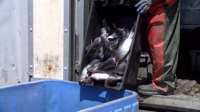
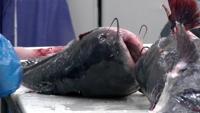
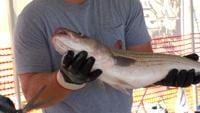
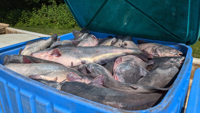
ANNAPOLIS, Md. — A Maryland law aimed at reducing invasive blue catfish in the Chesapeake Bay has been signed by Governor Wes Moore after passing both the state House and Senate.

A bipartisan bill aimed at tackling the growing problem of invasive blue catfish in the Chesapeake Bay has passed the U.S. House of Representatives.

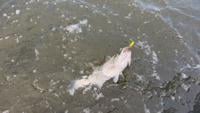
A new proposal in Annapolis could change how Maryland manages one of the Chesapeake Bay’s most iconic fish by limiting the Maryland Department of Natural Resources’ regulations on striped bass.
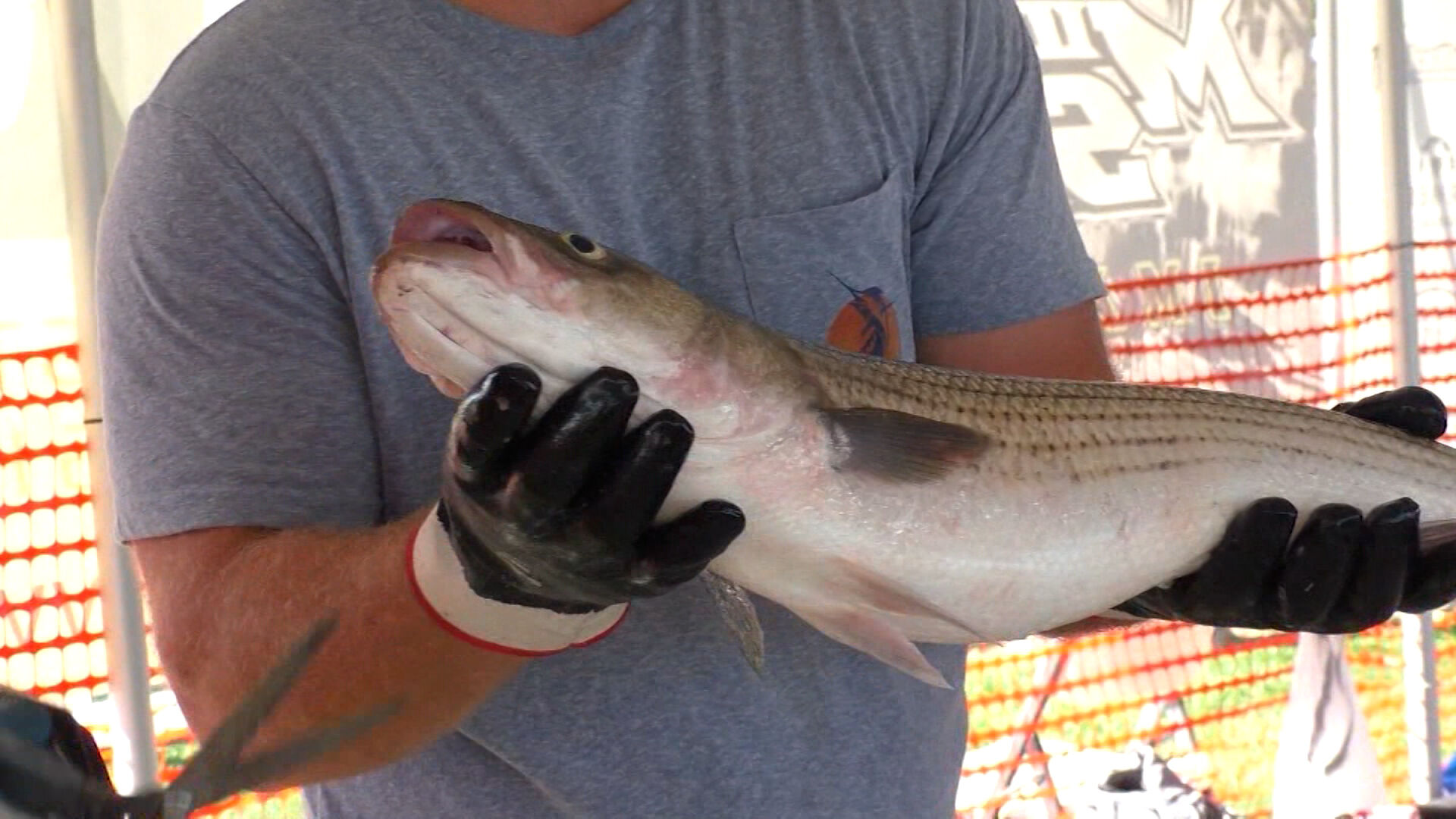
The Chesapeake Bay Foundation is encouraging Marylanders to weigh in on proposed changes to the state’s striped bass fishing season.

The Chesapeake Bay Foundation says the Chesapeake Bay Dead Zone Report Card shows the Chesapeake Bay's "dead zone" stayed at average levels in 2025.

Maryland Governor Wes Moore has announced an agreement between the state and Constellation Energy, operators of the Conowingo Dam, to implement operational and environmental improvements at the dam to promote the health of the Chesapeake Bay.

Multiple Congressional Representatives from Maryland and Virginia have joined forces to introduce a unique federal response to the growing threat of invasive blue catfish in the Chesapeake Bay - one that could see the fish being used in pet food.

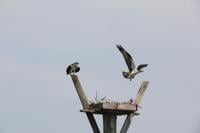
The Menhaden Fisheries Coalition says the Chesapeake Bay Foundation mischaracterized the survey's findings and omitted important context, including other potential factors in the osprey population decline.