

CAMBRIDGE, Md. - The City of Cambridge is mapping out its future in an ongoing comprehensive planning process, and city leaders are asking for the community’s feedback.
The draft Cambridge Comprehensive Plan 2040 lays out how the city intends to grow over the next 15 years, with a strong focus on revitalizing downtown, expanding housing options, modernizing transportation, strengthening the waterfront, and preparing for climate change.
“Cambridge’s vision is to be a resilient, inclusive, and prosperous waterfront community that embraces its historic character while preparing for a sustainable future,” the latest draft of the plan reads. “The City seeks to balance growth with preservation, strengthen its role as the economic and cultural heart of Dorchester County, enhance housing choice and affordability, promote connectivity across neighborhoods, protect natural resources, and celebrate its maritime heritage.”
A shift toward targeted growth
City planners say most future development should happen within Cambridge’s existing boundaries, concentrating on underused properties and vacant buildings instead of expanding into surrounding farmland.
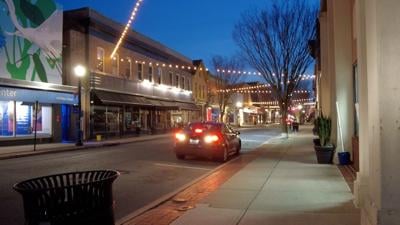
Downtown remains the anchor.
The draft encourages upper-story apartments above shops, first-floor retail activation, adaptive reuse of historic buildings, and stronger design standards to ensure new construction fits the city’s character. Addressing blight and long-term vacancies is also a key priority, with leaders pointing to the need to stabilize neighborhoods and restore underutilized properties.
The goal, according to the plan, is to make downtown Cambridge a vibrant, multi-generational place that serves families, young professionals, and seniors alike.
Housing front and center
Affordability is one of the plan’s most urgent concerns.
With incomes lagging behind state averages and a significant share of residents living below the poverty line, the draft outlines several housing strategies:
-Expanding affordable rental options
-Supporting “missing middle” housing types
-Allowing accessory dwelling units (ADUs)
-Converting large homes into multifamily units
-Offering incentives for housing rehabilitation
Rather than building entirely new neighborhoods, the plan emphasizes reinvesting in existing housing stock and encouraging infill development.
Safer streets, more mobility options
Transportation is another major pillar in the proposed plan.
The draft calls for adopting Complete Streets standards, expanding sidewalks and bike lanes, redesigning major corridors, and improving pedestrian safety across the city.
There’s also discussion of alternative transportation options including a seasonal trolley and water taxi. The proposed options are aimed at better connecting downtown, the waterfront, and key destinations.
City leaders say reducing car dependence and improving walkability will not only enhance safety, but also boost economic activity and quality of life.
A transformed but accessible waterfront
Cambridge’s waterfront plays a central role in the city’s future.
Proposals include expanding public access, adding boardwalks and trails, replacing the fishing pier, and building more recreational amenities such as sports facilities and gathering spaces.
The plan also emphasizes maintaining public access and balancing tourism development with preservation of the city’s working maritime industry.
Officials envision the waterfront as both a community gathering space and an economic engine.
Building resilience for the future
Given Cambridge’s waterfront location, climate resilience is a major focus in the plan.
Recommendations include living shorelines, expanded tree canopy, permeable paving, upgraded stormwater systems, and sewer pump station improvements. The plan discourages development in flood-prone areas and promotes directing growth inward to protect farmland and environmentally sensitive land.
What’s next?
The Comprehensive Plan is designed to guide zoning, development decisions, and infrastructure investments through 2040.
City officials say the draft reflects extensive public input and community workshops. If adopted, it will serve as Cambridge’s blueprint for growth shaping housing, transportation, economic development, and environmental policy for years to come.
Residents are now asked to record any feedback they have on the proposed plan. Both the new draft and a feedback form are available until March 28, 2026, at this link.