A massive sewage spill into the Potomac River is raising concerns across the region, especially for watermen who make a living on the Chesapeake Bay.
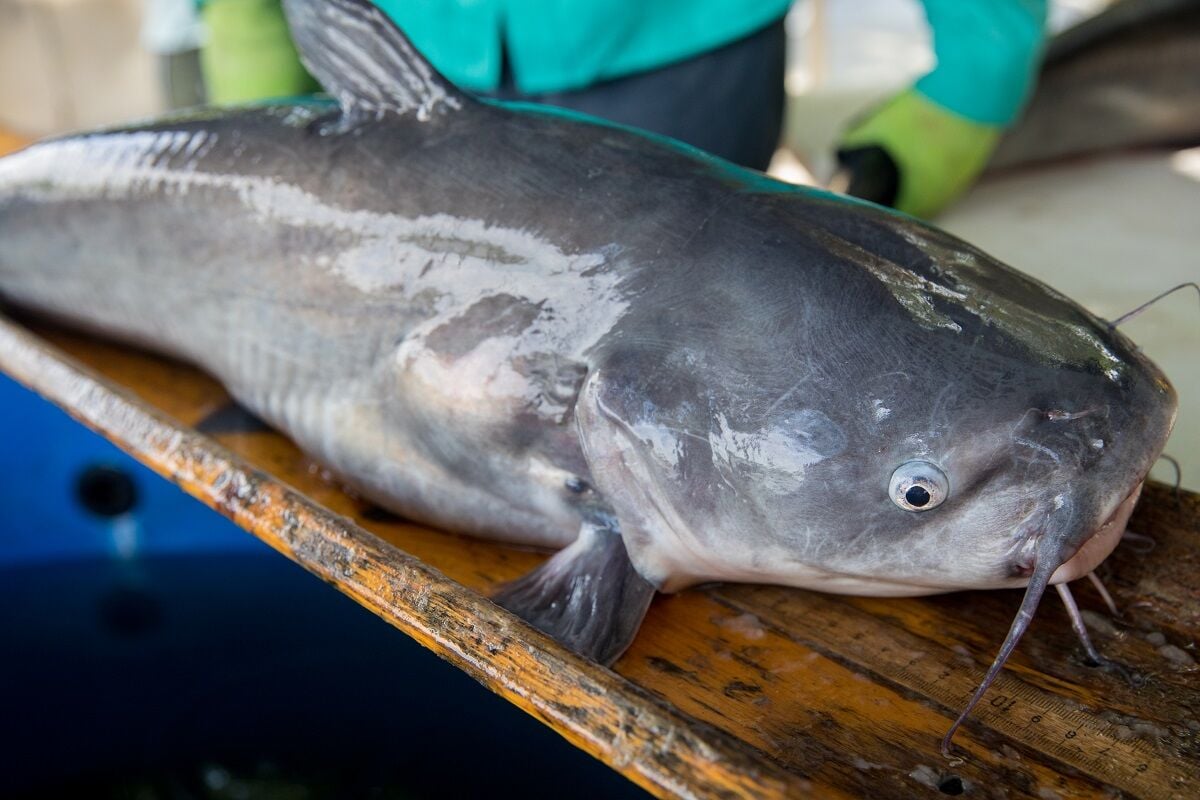
A seafood program with roots on the West Coast is expanding into the Mid-Atlantic, with a mission that tackles two challenges at once: feeding students healthier meals and reducing the population of invasive blue catfish in the Chesapeake Bay.
More than 9.2 million acres of land across the Chesapeake Bay watershed are now permanently protected from development, according to newly released data collected through 2024.
There is still work to do in one river before reaching an oyster reef restoration goal in 10 tributaries by 2025, as part of the Chesapeake Bay Watershed Agreement.
The revised draft is now available on the Chesapeake Bay Program's website with a list of frequently asked questions a series of webinars planned to detail the changes.
The 2025 Blue Crab Advisory Report shows declining blue crab populations in the Chesapeake Bay, despite no significant overharvesting.
The University of Maryland Center for Environmental Science (UMCES) has released its 19th annual Chesapeake Bay and Watershed Report Card, showing a decline in overall Bay health from the previous C+ rating to a grade of C.
The Environmental Protection Agency’s (EPA) proposal to cut back on regulations under the Trump administration is drawing sharp criticism from the Chesapeake Bay Foundation (CBF), a nonprofit focused on restoring and protecting the Bay.
Governors from Maryland, Virginia, and Pennsylvania gathered with various other officials Tuesday in what the Chesapeake Bay Program says may be the most important meeting for the Program since the 2014 Chesapeake Bay Watershed Agreement was originally signed a decade ago.
CHESAPEAKE BAY - Local environmentalists are expressing concern about the future of the Chesapeake Bay Program under the incoming Trump admini…