



SUSSEX COUNTY, DE — Hurricane Erin is churning closer to Delmarva’s waters, as the beaches already are seeing large waves and strong rip currents. 'Erin' is forecasted to make those conditions even worse, putting the spotlight on coastal Delaware's storm resiliency.
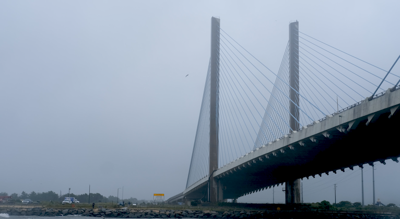
The Indian River Inlet has been the focus of several state upgrades over the past year, following a series of dune breaches. Including emergency dredging, new metal barriers installed, and an upgraded sand bypass system to keep the beaches, dunes, and Coastal Highway secure.
Officials with the Delaware Department of Natural Resources and Environmental Control say they are monitoring the inlet closely, with heavy equipment already staged north and south of the inlet bridge to be mobilized as needed.
DNREC’s Shoreline and Waterway Management Section is referring to Erin as a “severe erosion event” but say just how severe will be determined in the coming days.
DNREC said it will not preemptively place sand at the inlet to protect infrastructure, but will assess losses as they occur and address beach and dune damage after the storm passes.
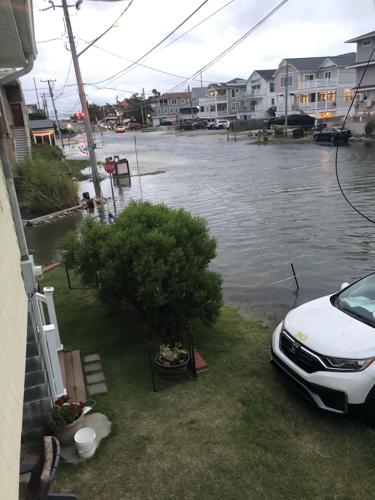
Up Coastal Highway in Dewey Beach, flooding is already being seen. High tide Monday night left water nearly reaching Coastal Highway from Read Avenue.
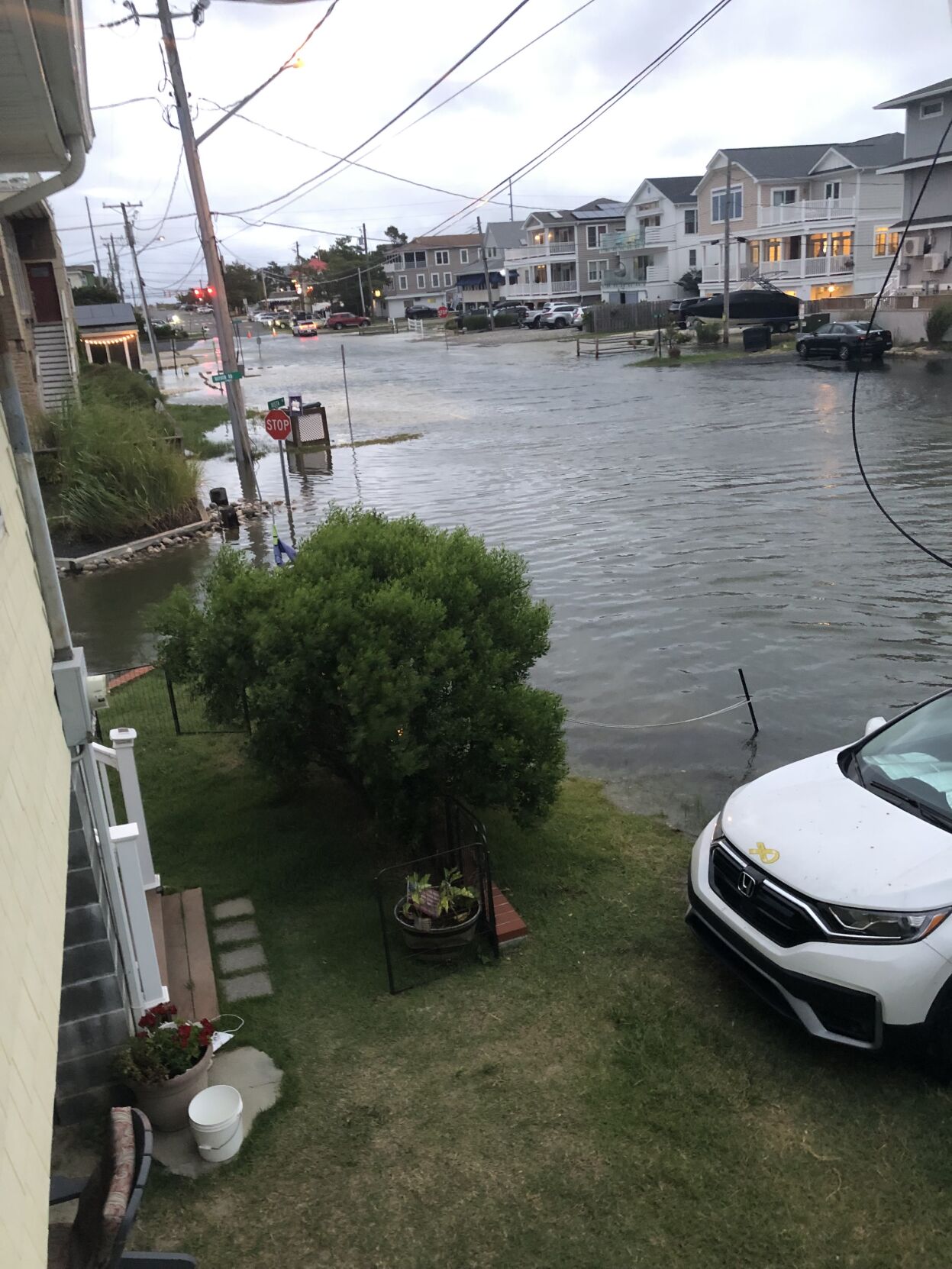
Flooding on Read Avenue Monday night during high tide
“When we have a north, northeast wind like we have right now — the bay floods, the water comes through our stormwater pipes, through our stormwater drains, and floods this street, Dagsworthy Street, and Dickerson Street,” said Dewey Beach Town Manager Bill Zolper.
The town has long struggled with flooding, and Zolper said several projects are in the works to combat it. A permanent pump station backed by one million dollars in federal funding through Senator Chris Coons' office is planned for Read Avenue, though completion on the project is still two to three years away.
“Between now and then, the town’s gonna set up a small pump station, that’s gonna be portable down inside the box that we have here at the end of Read to pump that water out,” Zolper said. “It’s not a great solution — but it’s a good solution until the Army Corps builds that pump station.”